Top 5 Benefits of Aluminum Clad Wood Windows for Your Home?
When considering home renovations, selecting the right windows is crucial. Aluminum-Clad Wood Windows offer a blend of beauty and practicality. These windows combine the warmth of wood with the durability of aluminum, making them a popular choice among homeowners. Their aesthetic appeal can enhance the overall look of any home, providing a classic yet modern vibe.
Choosing Aluminum-Clad Wood Windows can significantly improve energy efficiency. They help maintain consistent indoor temperatures while reducing energy bills. This dual benefit makes them an attractive investment for any homeowner. Additionally, their durability means less maintenance and longer-lasting performance compared to traditional wood or vinyl windows.
However, it’s essential to consider your specific needs before making a decision. While they’re robust, the initial cost may be higher than standard options. Understanding the balance between cost and long-term benefits is important. Ultimately, Aluminum-Clad Wood Windows can elevate your home’s comfort and aesthetic appeal, but thorough research is necessary to ensure they align with your goals.
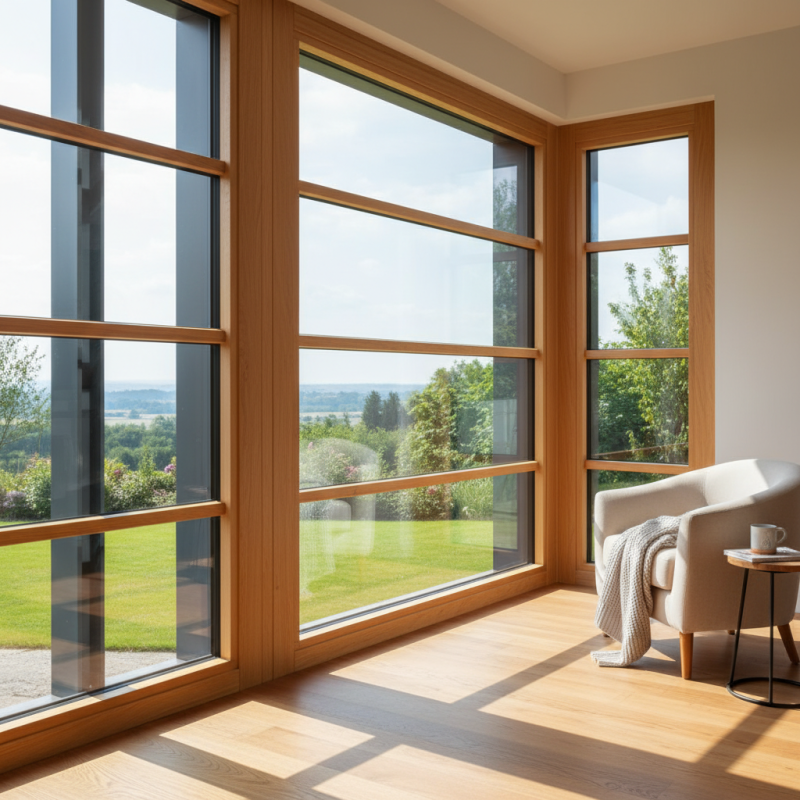
Advantages of Aluminum Clad Wood Windows for Energy Efficiency
Aluminum clad wood windows combine natural beauty with energy efficiency. The exterior aluminum protects the wood from the elements. This means fewer repairs and less maintenance over time. Homeowners often see a return on investment due to durability.
Energy efficiency is a key advantage of these windows. The wood core provides excellent insulation, keeping the home warm in winter and cool in summer. This reduces energy consumption, which is good for the environment. Additionally, the aluminum exterior reflects solar heat. This further enhances thermal performance.
While these windows are stylish, they can be costly upfront. Some may wonder if they're worth the investment. Nevertheless, many find the long-term savings on energy bills persuasive. It’s essential to weigh the pros and cons thoroughly. Careful consideration leads to better decisions.
Top 5 Benefits of Aluminum Clad Wood Windows for Your Home
Durability and Maintenance Benefits of Aluminum Clad Wood Windows
Aluminum clad wood windows offer a unique blend of aesthetics and practicality. Their durability is unmatched. The aluminum exterior protects against harsh weather. This feature means fewer repairs and replacements over time. Your windows will maintain their beauty and function longer.
One of the major maintenance benefits is the minimal effort required to clean these windows. A simple wash with soap and water can keep them looking new. Unlike traditional wood windows, you won't need to sand or repaint every few years. This ease of maintenance saves you time and effort.
Tip: When cleaning, avoid abrasive materials. They can scratch the aluminum finish. Regular inspections for any signs of damage can help prolong the life of your windows. Also, consider checking seals and joints during your routine cleaning. Keeping these areas in good condition is essential for optimal performance. Little actions can lead to bigger savings later.
Aesthetic Appeal: Enhancing Home Design with Aluminum Clad Wood Windows
Aluminum clad wood windows offer significant aesthetic benefits, enhancing the overall design of any home. The combination of natural wood and durable aluminum gives these windows a unique charm. According to the American Institute of Architects, homes with such windows often see an uptick in market value by as much as 15%. This appeal comes from their sleek exterior finish that complements modern architecture while maintaining a classic look.
The versatility of aluminum-clad wood allows for various colors and styles. Homeowners can customize their windows to fit any aesthetic, from rustic to contemporary. This flexibility is supported by a study from the Window and Door Manufacturers Association, which reports that 74% of homeowners prioritize design when selecting windows. The wood interior adds warmth and character, creating a welcoming atmosphere. However, while these windows are visually striking, they also require careful maintenance to prevent aesthetic decline. Over time, the aluminum exterior can suffer from scratches or fading, which may detract from their appearance if not properly maintained. Regular cleaning and prompt repairs can help preserve their beauty, reflecting a homeowner’s commitment to sustainable elegance.
Cost-Effectiveness of Aluminum Clad Wood Windows in the Long Run
Aluminum clad wood windows offer a unique balance of aesthetic appeal and durability. Their long-term cost-effectiveness stems from several key factors. First, their combination of wood and aluminum creates a sturdy frame. This means lower maintenance costs over time. Homeowners benefit from reduced painting and repairs.
Energy efficiency plays a significant role in overall savings. These windows excel in insulation. This can lead to decreased heating and cooling expenses. In cold climates, homeowners notice less heat loss. Warm interiors in winter reduce the reliance on heating systems, which saves money.
However, not all aluminum clad wood windows are equal. The installation process can be complex and may require professional help. This initial investment can be daunting for some. Yet, considering the longevity and energy savings, most find this expense worthwhile. Carefully evaluating options is essential for choosing the right product for your home.
Environmental Impact of Choosing Aluminum Clad Wood Windows
Choosing aluminum clad wood windows impacts the environment in various ways. According to the U.S. Department of Energy, wood is a renewable resource when sourced sustainably. For instance, windows made from responsibly harvested timber can help reduce deforestation. Conversely, aluminum is energy-intensive to produce. However, its durability means it lasts longer than some alternatives.
When looking at life-cycle assessments, aluminum clad wood windows show a reduced carbon footprint compared to traditional vinyl options. Studies indicate that wood windows have lower embodied energy when you consider their lifespan. This is crucial, as buildings contribute to 39% of global carbon emissions. While aluminum windows offer great resilience, their production can be environmentally taxing.
Waste management also comes into play. Choosing aluminum clad wood windows can lead to reduced construction waste. Manufacturers often use recycled aluminum, which diminishes the need for virgin materials. This practice aligns with sustainability objectives, but it’s not flawless. The recycling process for aluminum still consumes significant energy. Therefore, homeowners must weigh the benefits against the environmental costs associated with both materials.
