
Plastic recycling is emerging as a vital process in environmental conservation. The Plastic Recycling Pelletizing Machine plays a crucial role in this effort. It transforms waste plastic into reusable pellets, reducing the reliance on virgin materials. This machine significantly lowers waste in landfills and promotes a circular economy.
Investing in a Plastic Recycling Pelletizing Machine can lead to numerous benefits. Businesses can save on raw material costs while contributing to sustainability. The process not only creates high-quality pellets but also decreases energy consumption. Many industries are beginning to recognize its importance for eco-friendly practices. However, some might underestimate its initial investment costs.
While the advantages are compelling, there are challenges too. Not all plastics are suitable for recycling, and the setup may require proper training. Therefore, it's essential to approach this investment with realistic expectations. Overall, the Plastic Recycling Pelletizing Machine represents a significant step towards a greener future.
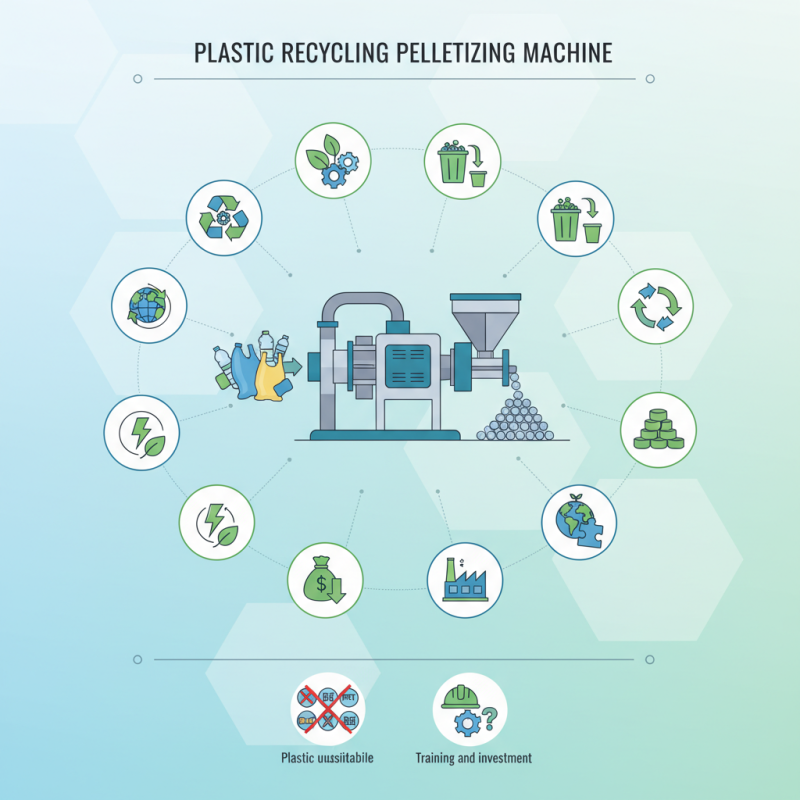
Plastic recycling pelletizing machines play a crucial role in the recycling industry. These machines transform waste plastic into reusable pellets. This process significantly reduces plastic waste in landfills. The result is a more sustainable approach to managing plastic materials.
Understanding these machines requires some technical knowledge. They use heat and pressure to melt plastic. The melted plastic is then forced through a die, creating strands. Once cooled, these strands are cut into pellets. This method not only recycles plastic efficiently but also minimizes environmental impact. However, the process can be complex, and operational challenges may arise.
Investment in pelletizing technology can be costly. Organizations must consider maintenance and operational expenses. Additionally, the quality of input materials can affect the output. Ensuring a consistent feedstock is essential for optimal machine performance. As the recycling landscape evolves, innovations in pelletizing technology will be needed. This growth could lead to better efficiency and sustainability in plastic recycling.
Plastic recycling through pelletizing offers significant environmental benefits. It reduces the amount of plastic waste that ends up in landfills and oceans. Every year, millions of tons of plastic pollution threaten wildlife and ecosystems. By converting waste into reusable pellets, we can help mitigate this crisis. This process reclaims valuable resources, transforming discarded plastics into new products.
Pelletizing machines also promote energy efficiency. Recycling plastic uses less energy compared to producing new plastic from raw materials. This reduction in energy consumption directly correlates with lower greenhouse gas emissions. As nations work towards climate goals, the role of recycling becomes increasingly vital. Each recycled pellet represents a step towards a more sustainable future.
However, the recycling process is not without challenges. Contaminated plastics can render batches unusable. Proper sorting and cleaning are essential to maintain quality. Additionally, public awareness and participation in recycling programs need improvement. Encouraging communities to engage in recycling can make a significant difference. Overall, exploring the benefits of plastic recycling through pelletizing is crucial for better environmental stewardship.
Recycling is essential for protecting the environment and conserving resources. The use of pelletizing machines significantly enhances efficiency in plastic recycling. These machines convert waste plastics into high-quality pellets, ready for reuse. Thus, they play a crucial role in the circular economy.
One major economic advantage of pelletizing machines is their ability to reduce waste management costs. By processing plastic waste efficiently, businesses can minimize disposal fees. Additionally, producing recycled pellets lowers the cost of raw materials. Companies can save money while sustaining their operations.
The initial investment in pelletizing technology might seem high. However, the long-term savings can be substantial. Many facilities find that within a couple of years, they recoup the costs. This investment ultimately leads to improved operational effectiveness and profitability. It also fosters a commitment to sustainability, which is increasingly important to consumers. As companies strive to balance profitability with eco-friendly practices, the value of pelletizing machines becomes clear.
| Benefit | Description | Economic Impact |
|---|---|---|
| Cost Efficiency | Reduces the cost of producing new plastic products by recycling waste. | Lower raw material costs lead to increased profit margins. |
| Resource Conservation | Conserves natural resources by reusing existing materials. | Reduces dependency on virgin plastic production. |
| Waste Reduction | Decreases the amount of plastic waste sent to landfills. | Saves on landfill costs and environmental clean-up efforts. |
| Job Creation | Creates jobs in the recycling and manufacturing sectors. | Stimulates local economies through increased employment opportunities. |
| Energy Savings | Uses less energy compared to producing new plastics. | Lower energy costs contribute to overall savings. |
| Market Demand | Increasing demand for recycled materials in manufacturing. | Strong market position as eco-friendly products gain popularity. |
| Innovation | Promotes technological advancements in recycling processes. | Increased productivity and product quality boost profitability. |
| Regulatory Compliance | Helps companies meet environmental regulations. | Avoids fines and enhances corporate image. |
| Sustainability | Contributes to sustainable development goals. | Attracts investors focused on sustainability efforts. |
| Community Engagement | Encourages public participation in recycling initiatives. | Enhances brand reputation and community relations. |
Plastic pelletizing is an essential process in recycling. It transforms plastic waste into usable pellets. These pellets serve as raw materials for new products. The process typically involves shredding the plastic waste into small pieces. Next, the material is heated to a melting point, allowing it to flow through a die. Once cooled, it’s cut into uniform pellets.
While effective, the process requires attention to detail. Operators must monitor temperatures closely. Overheating can degrade the plastic quality. It’s crucial to use clean materials. Contaminated plastic can lead to compromised pellets. Regular maintenance of the machinery is necessary. This will ensure optimal performance.
Tips: Always sort plastic waste properly. Different types of plastic require different processing techniques. Invest in training for operators. Knowledgeable personnel can prevent costly mistakes. Lastly, keep a close eye on production quality. Regular checks can help identify issues early.
Recycled plastic pellets are gaining attention in various industries. The demand for sustainable materials is on the rise. Many companies are seeking eco-friendly solutions. Recycled plastic can replace virgin materials in manufacturing. This leads to lower production costs and reduced environmental impact.
The applications for these pellets are vast. They are used in automotive parts, consumer goods, and packaging. Many manufacturers have started exploring these options. However, there are challenges in the quality and consistency of recycled materials. Ensuring a stable supply chain is critical. Industries must work to improve their methods for processing recycled plastics.
Market opportunities continue to expand as regulations evolve. Companies that focus on sustainability will likely thrive. The shift towards circular economies offers growth potential. Yet, the technology behind pelletizing must be continuously refined. Addressing these imperfections can lead to better products in the market. The future looks promising, but dedicated efforts are necessary.