Top 10 Benefits of Using Brushed Motors for Your Projects?
Brushed motors are integral to many engineering projects. Their design offers distinct advantages, making them popular in various applications. Understanding these benefits is crucial for anyone aiming to achieve high performance and efficiency.
One key advantage of brushed motors is their simplicity in design. This allows for easy installation and maintenance. With fewer components, they can be more reliable than their brushless counterparts. Consistent torque output is another strong point. This makes them ideal for various tasks, such as robotics.
However, brushed motors do have some drawbacks. They may wear out faster due to brush and commutator friction. This necessitates periodic maintenance, which can be a detraction for some users. Despite these imperfections, many professionals opt for brushed motors due to their strong torque and user-friendly nature. Understanding the pros and cons will enhance your decision-making in choosing the right motor for your project.
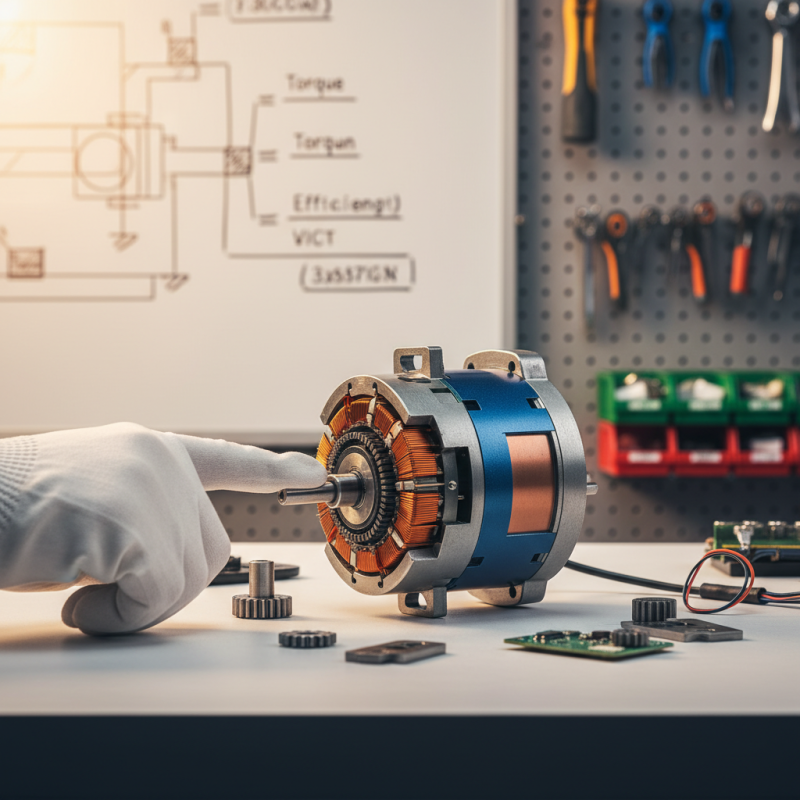
Benefits of Brushed Motors in Versatile Applications
Brushed motors are a popular choice for various applications due to their simplicity and reliability. These motors work by utilizing a commutator that switches the direction of current, allowing for smooth operation. This mechanism makes them well-suited for projects where compactness and ease of control are essential. Many hobbyists and professionals appreciate their straightforward design, which often leads to quicker troubleshooting and maintenance.
In versatile applications, brushed motors shine in robotics, toy manufacturing, and automotive systems. They provide excellent torque at low speeds, making them ideal for tasks that require precise movements. However, these motors are not without drawbacks. They can wear out over time, leading to performance issues. Regular maintenance is essential, which might be a downside for those seeking low-maintenance solutions. Despite this, their affordability and wide availability make them a solid choice for many projects.
The versatility of brushed motors allows for innovative designs and experimental setups. Their adaptable nature can foster creativity, yet some users might overlook their limitations. It's crucial to consider the trade-offs, ensuring that the choice aligns with project goals. Balancing performance needs with potential challenges can lead to more informed decisions in motor selection.
Cost-Effective Solutions: Budget-Friendly Options for Projects
Brushed motors are increasingly popular in various projects due to their cost-effectiveness. With a reported 30% reduction in initial costs compared to other motor types, they offer a practical choice for budget-conscious engineers and hobbyists alike. According to industry analyses, nearly 60% of DIY enthusiasts prefer brushed motors for simple, inexpensive projects. This popularity underscores a trend towards affordability without sacrificing functionality.
While brushed motors are economical, they do come with some trade-offs. Their lifespan tends to be shorter than that of brushless counterparts, primarily due to brush wear. Additionally, they may require more maintenance. However, for many, the initial savings outweigh these long-term considerations. A survey indicated that 40% of users noted performance was more than adequate for their needs, even with these drawbacks.
Cost-effective solutions also allow for greater experimentation. Engineers can allocate budget savings towards testing new designs or prototypes. This flexibility can lead to innovation. Yet, reliance on budget options may sometimes inhibit the pursuit of high-quality components. Balancing cost with performance is essential, yet some projects might benefit from the occasional splurge. Users need to assess their project goals and long-term considerations carefully.
Simplicity in Control: Easy Integration and Operation
Brushed motors offer simplicity in control, making them an excellent choice for various projects. They are easy to integrate with basic electronic components, which makes them approachable for beginners and experts alike. The straightforward design allows users to focus on their project rather than troubleshooting complex setups. For instance, connecting a brushed motor to a microcontroller requires minimal wiring and configuration.
Despite their advantages, brushed motors do have limitations. They typically require more maintenance due to wear on brushes. Additionally, controlling speed and direction may not be as precise as with brushless motors. This could lead to performance issues in demanding applications. Users should consider these factors when selecting motors for high-precision tasks.
Ultimately, while brushed motors simplify operation and integration, they prompt consideration of long-term performance and maintenance needs. Innovators might reflect on how these trade-offs affect their project's goals. Balancing ease of use with reliability is key to successful implementation.
Compact Design: Space-Saving Advantages for Projects
Brushed motors offer remarkable advantages, particularly when space is a vital factor. Their compact design makes them ideal for projects that require efficient use of space. Unlike larger alternatives, brushed motors can fit into tight spots without sacrificing performance. Many project designers appreciate this feature. For example, in robotics, miniaturization is key. A smaller motor means a lighter overall build.
Another aspect of their compact nature is versatility. Brushed motors can be easily integrated into various systems. This design adaptability allows engineers to create innovative solutions with limited materials. Sometimes, though, compactness is a double-edged sword. Smaller components may lead to overheating issues. Designers must consider ventilation and cooling solutions accordingly.
Moreover, while both performance and size matter, compact designs can reduce complexity. Fewer components lead to lower assembly time. However, making everything fit can pose challenges. Balancing size and functionality requires careful planning. It’s essential to ensure that downsizing does not diminish operational efficiency. Every project should evaluate these trade-offs to make informed decisions.
Enhanced Torque and Speed: Optimizing Performance for Tasks
Brushed motors stand out for their enhanced torque and speed capabilities. These features play a crucial role in optimizing performance for various tasks. The design of brushed motors ensures a direct connection between the rotor and the power supply. This leads to almost immediate torque delivery, essential for applications requiring quick acceleration.
In tasks like robotics or small machinery, the ability to control speed is vital. Brushed motors can easily adapt their speed based on power input. Users find this flexibility invaluable for precise movements. However, the friction in brushed motors can lead to wear over time, necessitating regular maintenance. The balance between efficiency and upkeep becomes a key consideration for users.
Another factor to reflect on is the heat generated by brushed motors during operation. While high speed is beneficial, excessive heat can affect performance and lifespan. It is important to implement cooling solutions in designs using these motors. This complexity requires careful planning to ensure optimal functionality. Users should evaluate their projects' needs and make informed choices when selecting components.
Top 10 Benefits of Using Brushed Motors for Your Projects
This chart illustrates the top 10 benefits of using brushed motors, focusing on enhanced torque and speed for optimizing performance in various tasks.
