Top 10 Benefits of Using Stainless Steel Coil for Your Business?
In today's competitive industrial landscape, the choice of materials can significantly impact a business's efficiency and profitability. One material that stands out is Stainless Steel Coil. According to a recent market analysis by Smithers Pira, the global market for stainless steel products is projected to grow at a CAGR of 5.5% through 2026. This presents opportunities for businesses that choose stainless steel for their manufacturing processes.
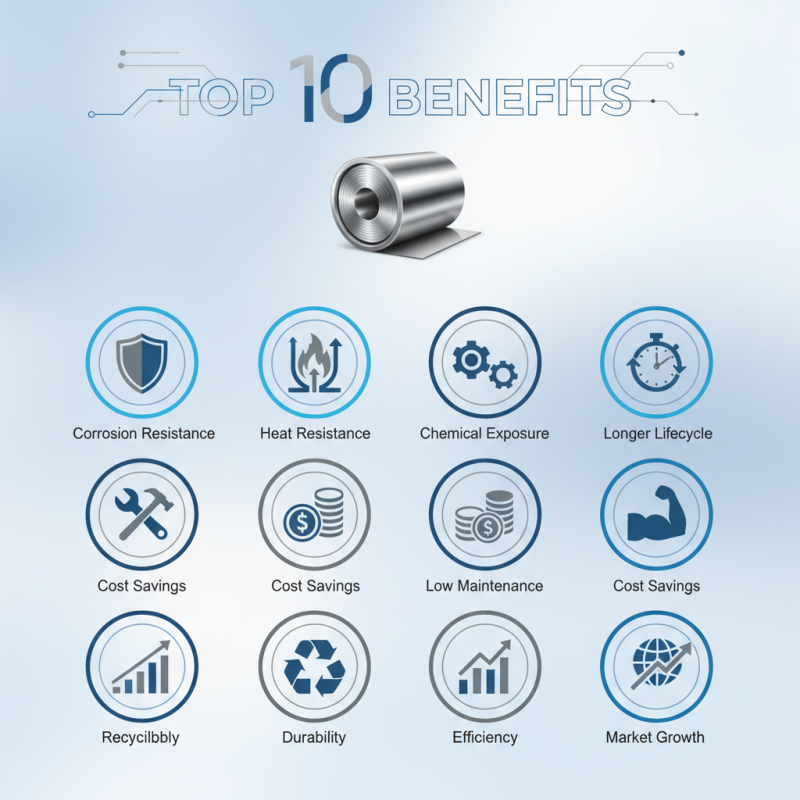
The popularity of Stainless Steel Coil comes from its unique properties. It is resistant to corrosion, heat, and chemical exposure. A study published by the International Stainless Steel Forum highlights that stainless steel has a lifecycle that is considerably longer than other materials. It is important for businesses to recognize these advantages when selecting materials for their projects.
Choosing Stainless Steel Coil can lead to cost savings over time, although initial investments might be higher. It is not without challenges; sourcing high-quality stainless steel can be daunting. Businesses must weigh these factors carefully to make informed decisions. The benefits of adopting Stainless Steel Coil are compelling, given its durability, low maintenance, and recyclability.
Advantages of Stainless Steel Coil: Corrosion Resistance in Industrial Use
Stainless steel coils offer significant advantages in industrial applications, particularly due to their corrosion resistance. This feature is essential for businesses in environments exposed to moisture, chemicals, and extreme temperatures. The durability of stainless steel ensures that structures and equipment can withstand harsh conditions without deteriorating. This can lead to reduced maintenance costs over time.
Using stainless steel coils can also enhance the lifespan of products. In industries like food processing or pharmaceuticals, maintaining hygiene is critical. Stainless steel's non-porous surface prevents bacteria growth, benefiting compliance with health standards. However, it's important to consider that not all grades of stainless steel perform equally in corrosive environments. Selecting the right grade is vital.
Moreover, the aesthetic appeal of stainless steel plays a role in its adoption. Its sleek appearance can enhance product design. Yet, relying solely on aesthetics can be misleading. Businesses should prioritize functional benefits over looks. Despite these advantages, there are challenges in sourcing high-quality stainless steel coils. Variability in quality can lead to unexpected issues, making supplier assessments crucial.
Top 10 Benefits of Using Stainless Steel Coil for Your Business
| Benefit | Description |
| Corrosion Resistance | Stainless steel coil is highly resistant to rust and corrosion, making it ideal for harsh environments. |
| Durability | It has a long lifespan and can withstand extreme conditions without deteriorating. |
| Ease of Fabrication | Stainless steel coil can be easily cut, shaped, or welded to fit specific applications. |
| Aesthetic Appeal | It offers a clean, modern look suitable for consumer-facing applications. |
| Resistant to High Temperatures | Stainless steel coil can maintain its properties even at high temperatures, ensuring performance. |
| Low Maintenance | Minimal maintenance is required compared to other materials, reducing costs over time. |
| Recyclability | Stainless steel coil is 100% recyclable, making it an eco-friendly choice. |
| Non-reactive | It does not react with food or chemicals, making it safe for use in various industries. |
| Cost-effective | While the initial cost may be higher, the durability and low maintenance lead to long-term savings. |
Cost Efficiency: Long-Term Savings with Stainless Steel Coil Applications
Stainless steel coil offers substantial cost efficiency for businesses. These coils are durable, reducing replacement and maintenance costs over time. Their resistance to corrosion ensures longevity, which translates to long-term savings. Many companies find that investing in stainless steel leads to fewer disruptions.
When considering stainless steel applications, think about how they fit into your production process. For example, the weight of stainless steel coils can influence transportation costs. A lighter material may cost less to ship but might require more frequent replacements.
Tips: Assess the total cost of ownership. This includes initial purchase price and potential maintenance expenses. Evaluate the specific needs of your industry. Customizing stainless steel solutions can improve efficiency while saving money. Always consider the quality of material; cheaper alternatives may not provide the same savings in the long run.
Versatility of Stainless Steel Coil in Various Industries and Manufacturing
Stainless steel coil is highly valued for its versatility across various industries and manufacturing processes. Its resistance to corrosion makes it ideal for food processing, where hygiene is crucial. The automotive sector benefits from stainless steel coils in producing components that are durable and lightweight.
A report from the International Stainless Steel Forum indicates that demand for stainless steel products is expected to grow by 3% annually. This growth reflects the material's adaptability in different applications, from architecture to appliances. Companies that leverage this material can enhance their product longevity and performance.
Tips: When selecting stainless steel coils, consider your specific requirements. Evaluate factors like thickness, width, and surface finish to ensure optimal results. Regular quality assessments are essential to prevent costly mistakes.
Another point to reflect on is the sustainability aspect. Stainless steel is recyclable, reducing environmental impact. However, industries must ensure that they have efficient recycling programs in place to maximize this benefit. The production process can be energy-intensive, which poses challenges for eco-conscious businesses. Integrating energy-efficient practices can help mitigate this issue.
Top 10 Benefits of Using Stainless Steel Coil for Your Business
Impact of Stainless Steel Coil on Sustainability and Eco-Friendly Practices
The use of stainless steel coil significantly contributes to sustainability in various industries. Stainless steel is 100% recyclable, and recycling rates for this material exceed 90% in many regions. According to the International Stainless Steel Forum, this process reduces CO2 emissions by up to 60% compared to producing new steel. The longevity of stainless steel also plays a role in its eco-friendliness. A well-crafted stainless steel product can last for decades without losing its integrity.
Eco-friendly practices increasingly focus on reducing waste and energy consumption. Utilizing stainless steel coil helps businesses achieve these goals. Its durability means less frequent replacements are needed, leading to less waste. Moreover, the energy required to produce stainless steel can be lessened through innovative production techniques. For instance, modern methods optimize energy usage and minimize the overall carbon footprint.
However, there are challenges. The production process can still have environmental impacts. Addressing these issues requires continuous improvement and innovation. The industry must assess its practices to further lower emissions and enhance sustainability efforts. Balancing the benefits of using stainless steel coils with their manufacturing costs is essential for companies committed to green practices.
Enhanced Aesthetic Appeal: Design Benefits of Stainless Steel Coil Products
Stainless steel coil has gained popularity for its aesthetic appeal in various industries. It's a versatile material known for its sleek, modern look. Products made from stainless steel provide a clean and polished finish. According to a recent design trends report, over 70% of architects and designers prefer stainless steel for commercial projects. This preference stems from its ability to enhance visual appeal without sacrificing durability.
The unique reflective quality of stainless steel can create stunning visual effects. It can illuminate spaces, making environments feel larger and more inviting. Industry analysis reveals that environments with metallic finishes often increase perceived value and attract more customers. Using stainless steel in fixtures, furniture, and architectural features can elevate brand identity significantly.
Tip: Consider incorporating stainless steel elements in your workspace. The right metallic accents can enhance not just aesthetics but also functionality. Always evaluate how materials like stainless steel can impact your overall design and customer experience. It’s crucial to balance beauty with practicality for long-term satisfaction.
