Bow Skip Stranding Machine Buying Guide for Global Buyers?
When considering the purchase of a Bow Skip Stranding Machine, buyers can feel overwhelmed by options. These machines play a crucial role in various industries, from telecommunications to manufacturing. Selecting the right one requires understanding several key factors.
The efficiency and quality of a Bow Skip Stranding Machine can significantly impact production. Buyers should assess factors like build quality, technology, and maintenance needs. It's vital to consider the manufacturer’s reputation and any proven expertise. Insights from existing users can provide valuable perspectives, often reflecting both strengths and shortcomings.
In this complex market, ensuring you make an informed choice is essential. Take the time to compare features, prices, and customer reviews. Reflecting on your specific production requirements can help align your choice with operational goals. A well-chosen Bow Skip Stranding Machine can enhance productivity and reduce operational issues.
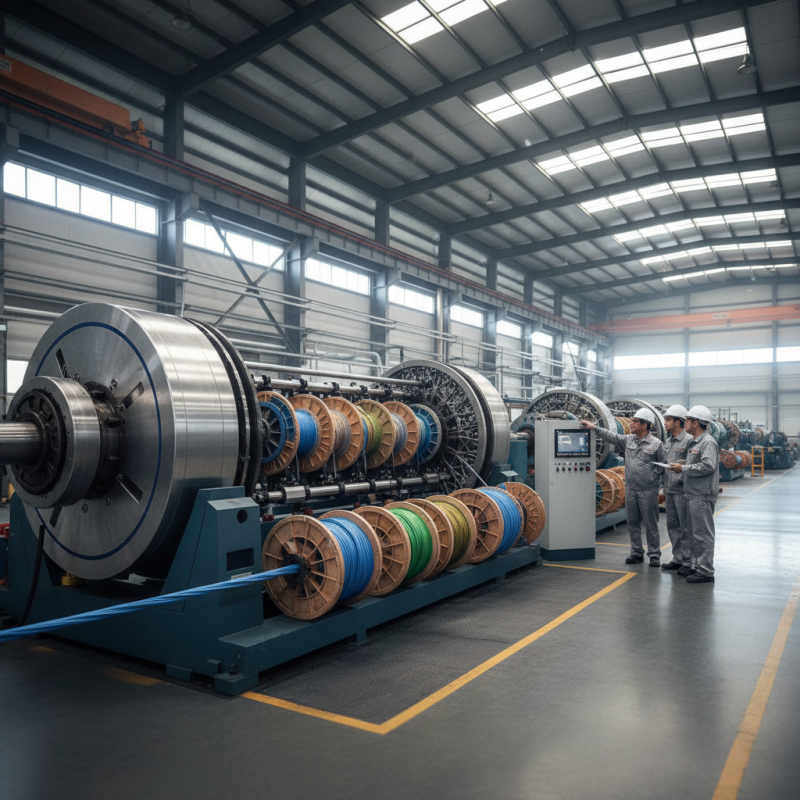
Overview of Bow Skip Stranding Machines and Their Applications
Bow skip stranding machines are essential in various industries, particularly in the production of cables and wires. These machines streamline the stranding process, enhancing efficiency and reducing material waste. According to a market analysis report, the global stranding machine market is expected to grow at a compound annual growth rate (CAGR) of 5.6% between 2022 and 2028. This trend indicates a rising demand for bow skip stranding machines globally.
These machines are widely used in electrical, telecommunications, and automotive sectors. They twist multiple wires together, improving electrical conductivity and mechanical strength. The quality of the stranding affects the final product’s durability and performance. Machine reliability plays a crucial role here; any malfunction can lead to significant production losses. An industry study highlighted that up to 25% of production downtime is attributed to equipment failure.
Understanding the technical specifications is vital. Factors like strand length, capacity, and speed significantly impact the decision-making process for buyers. It's crucial to assess if the machine will meet specific production demands. The machine's ease of maintenance can affect long-term operational costs. Buyers should reflect on their operational environment and the potential for future upgrades. Such considerations are critical for maximizing investment returns.
Key Features to Consider When Purchasing a Bow Skip Stranding Machine
When purchasing a Bow Skip Stranding Machine, key features play a critical role. Look for machines with precise stranding capabilities. Consistency in wire tension and twist is essential for high-quality outputs. Reliable machines often feature advanced control systems that enhance precision. According to industry reports, a machine’s stranding efficiency can impact production costs by up to 20%.
Consider the machine’s speed and capacity. Many modern machines can achieve speeds of over 1000 meters per minute. Speed is vital for meeting production targets. However, be wary of trade-offs between speed and quality. An overly fast machine may compromise the integrity of the strands.
Tip: Assess your production needs before purchasing. A machine too powerful for your output may waste resources. Additionally, focus on after-sales support. Reliable technical support is crucial for maintenance.
Another important feature is energy efficiency. Look for machines that minimize power consumption while maximizing output. Reports indicate that energy-efficient machines can cut operational costs significantly. Reflect on your energy usage to ensure long-term savings. Choosing the right Bow Skip Stranding Machine involves balancing performance with reliability for optimal production.
Bow Skip Stranding Machine Buying Guide for Global Buyers
| Feature | Description | Importance | Average Price (USD) |
| Material Types Supported | Compatibility with various materials like fiber, wire, and rope. | High | $15,000 |
| Production Speed | The number of strands produced per hour. | Medium | $18,000 |
| Control System | Automation level and user-friendliness of the control interface. | High | $20,000 |
| Power Consumption | Energy efficiency and required power sources. | Medium | $17,000 |
| Maintenance Requirements | Frequency and ease of required maintenance tasks. | High | $16,500 |
| Warranty Period | Length and coverage of warranty offered. | Medium | $19,000 |
Market Trends: Global Demand and Suppliers of Bow Skip Stranding Machines
The global demand for Bow Skip Stranding Machines is on the rise. These machines are crucial in cable manufacturing processes. Many industries require efficient stranding solutions. This creates a dynamic market for suppliers and buyers alike. Understanding the evolving trends in this market is vital for prospective buyers.
When you consider purchasing a Bow Skip Stranding Machine, assess your specific requirements. Not all machines fit every production line. Processing speed, capacity, and ease of maintenance are key factors. It's essential to align your needs with market offerings. Many suppliers may offer tempting deals, but the reliability of the machine should be a priority. Consider performance reviews and case studies before making a decision.
Tip: Always request a demonstration. Observing the machine in action gives insight into its suitability. Engage with existing users to gain first-hand information. Equally, researching the supplier's reputation can save future headaches. Investing time in this process can lead to better operational efficiency and longevity in your production line.
Comparison of Leading Bow Skip Stranding Machine Brands and Models
When considering a Bow Skip Stranding Machine, several leading brands and models stand out in the industry. High-performing machines typically incorporate advanced technology to enhance efficiency. For example, data from the International Wire and Cable Shows highlights that machines with a higher strand count can reduce production time by up to 15%. This increased efficiency leads to significant cost savings over time.
Many buyers face challenges when choosing the right model. Not all machines are the same. Some are optimized for heavy-duty use, while others are designed for precision tasks. Understanding the specifications is crucial to match the machine's capabilities with your production needs. In a recent industry report, it was noted that machines equipped with programmable controls tend to offer more flexibility in operation, which may benefit custom projects.
Tip: Always assess your production volume. Higher volumes may require more robust machines, while lower volumes could suffice with basic models.
Regular maintenance is vital for longevity. Neglecting this can lead to increased downtime and repair costs. Some users overlook the importance of regular servicing and end up facing unexpected issues. An industry survey revealed that 70% of machine failures are due to improper upkeep.
Tip: Establish a routine maintenance schedule. Regular checks can prevent costly breakdowns and extend the machine's life.
Tips for Negotiating Price and Ensuring After-Sales Support
When purchasing a bow skip stranding machine, buyers often overlook the importance of price negotiation. Understanding the factory’s pricing structure can provide leverage. Prepare a budget but remain flexible. Get quotes from multiple suppliers. Sometimes, vendors may lower their price after understanding your budget constraints. This approach can lead to substantial savings.
After you've settled on a price, focus on after-sales support. Reliable support is crucial for complex machinery. Ask about warranty terms and service options. Will spare parts be readily available? What is the response time for service requests? Companies with solid after-sales support typically gain customer trust.
Many buyers fail to assess these crucial factors, leading to future headaches. It’s wise to involve your team in discussions. Their insights can highlight areas you may have missed. Assessing the supplier's track record for after-sales service can save you from costly mistakes. Always aim for clarity and transparency in these negotiations.
