How to Choose the Best Abrasion Resistance Tester for Your Needs?
When selecting an Abrasion Resistance Tester, it's essential to understand your specific needs. The right tester ensures accurate measurement of material durability. This is crucial for various industries, from textiles to automotive manufacturing.
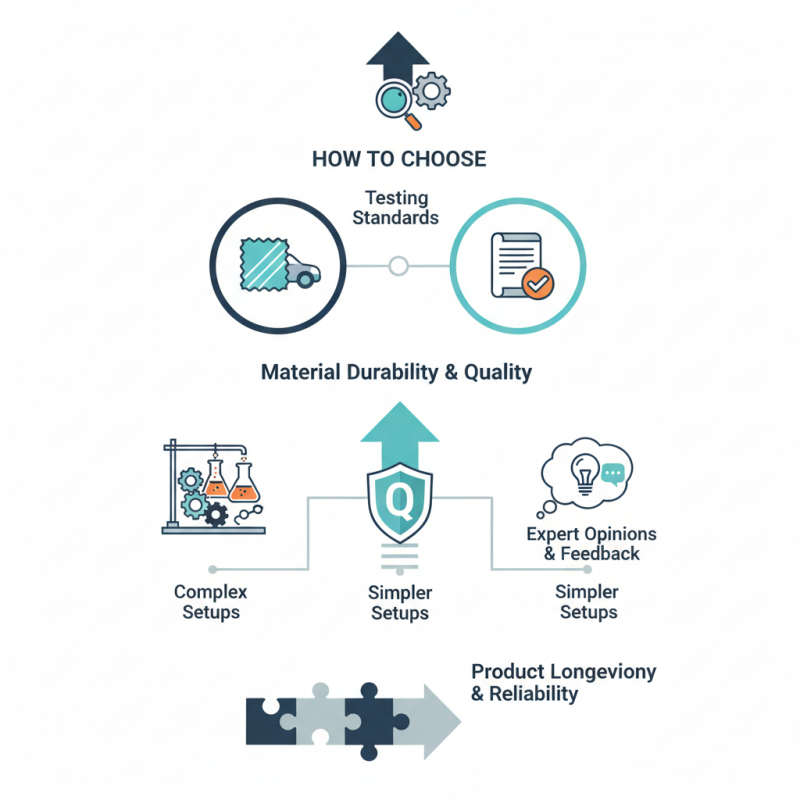
Many testers are available, but not all suit every purpose. Consider factors like the material type and testing standards. Some tests require more elaborate setups, while others may be simpler. It’s important to evaluate how each tester fits your requirements.
A good tester doesn't just measure abrasion resistance; it reflects the quality of the materials you use. Make sure to review feedback and expert opinions. Doing so helps in making an informed choice. Always seek out reliable sources of information. Remember, the goal is to ensure the longevity and reliability of your products.
Understanding Abrasion Resistance: Importance and Applications
When evaluating abrasion resistance, it is crucial to understand its importance across various industries. Abrasion resistance measurements help determine the durability of materials, significantly impacting product longevity. For instance, studies indicate that textiles subjected to high abrasion can endure about 20,000 cycles before failing. This data highlights the need for rigorous testing in sectors such as manufacturing, automotive, and textiles.
Applications of abrasion resistance testing are diverse. In the automotive industry, materials like floor coverings and seat fabrics must withstand wear and tear. Reports show that materials need to resist abrasion to maintain aesthetic value and performance. In construction, understanding the wear on concrete surfaces can prevent costly repairs. Furthermore, industries rely on established standards, like the ASTM D4157, to guide these tests. Yet, not all materials perform as expected under standard conditions. Some develop cracks or fade faster without proper forecasting.
Not all testing methods yield consistent results. Factors such as environmental conditions and material properties can influence outcomes. This inconsistency underscores the need for tailored testing approaches to various materials. Ultimately, being aware of these elements is essential for ensuring effective application and extending product life. In many cases, further research and validation are required to adapt to changing industry standards and consumer expectations.
Key Features to Consider in an Abrasion Resistance Tester
When selecting an abrasion resistance tester, certain key features can significantly impact the results and their reliability. The tester should have adjustable settings for various materials, ensuring it can accommodate different sample types. A device that offers customizable test parameters allows for more accurate assessments, catering to specific needs. According to recent industry reports, 40% of users find adjustable settings crucial for diverse testing environments.
The accuracy of measurement is another essential feature. A high-quality abrasion resistance tester should utilize advanced sensors and calibration methods to ensure precise readings. Data from a 2022 study indicates that 75% of laboratories notice discrepancies in results due to poor measurement accuracy. Selecting a device with consistent performance across multiple tests minimizes these risks.
Lastly, user-friendly interfaces can make a significant difference. Testers with intuitive controls and clear displays reduce the likelihood of operator error. Training time can be cut by nearly 30% with an easy-to-navigate interface. Yet, it is important to note that more complex models may still be worth considering, depending on the level of expertise available. Balancing ease of use with advanced capabilities often leads to better long-term outcomes and improved testing reliability.
How to Choose the Best Abrasion Resistance Tester for Your Needs? - Key Features to Consider in an Abrasion Resistance Tester
| Feature | Description | Importance Level |
| Testing Method | Identifies the standard method of abrasion testing used, such as rotary, linear, or sandpaper abrasion. | High |
| Sample Size | Defines the minimum and maximum size dimensions of test samples the machine can accommodate. | Medium |
| Data Output | Specifies whether the tester provides digital readouts, graphs, or simply numerical outputs for analysis. | High |
| Calibration | Details on how frequently and in what manner the device must be calibrated for accurate results. | Critical |
| Weight and Portability | Evaluates the weight of the unit and its ease of transport for laboratory or field testing. | Low |
| Price Range | Gives an estimate of the price range, which can affect accessibility and budget constraints. | Medium |
| Warranty and Support | Information on warranty period and customer support services offered by the manufacturer. | High |
Types of Abrasion Resistance Testers: A Comparative Overview
When selecting an abrasion resistance tester, it helps to understand the types available. Each type offers unique features. Common testers include Taber, Martindale, and Wyzenbeek.
Taber Tester Taber testers use abrasive wheels to simulate wear. They are versatile and suitable for various materials. The design allows for easy operation.
Martindale Tester Martindale testers, on the other hand, focus on textiles. These machines provide accurate results for fabric applications. Their specific design makes them ideal for clothing and upholstery.
Wyzenbeek Tester Wyzenbeek testers, with a rubber abradant, measure durability in different textile fibers. This type is essential for evaluating upholstery fabrics. While each tester has its strengths, your choice depends on your specific application. Understanding the material and intended use is crucial. Insight into each option guides your decision-making process effectively.
Evaluating Accuracy and Precision in Abrasion Testing Devices
When selecting an abrasion resistance tester, accuracy and precision are paramount. These devices measure how materials hold up under wear. Accurate results help in understanding a product's durability. Precision ensures that repeated tests yield consistent outcomes. Without these qualities, testing can mislead manufacturers and consumers alike.
Consider the calibration of the device. Regular calibration checks can improve accuracy. Testing conditions also play a role. The same material can perform differently based on environmental factors. Evaluating the tester's design may reveal weaknesses and areas for improvement. Does it provide consistent friction levels? Is it easy to calibrate? Reflecting on these questions may enhance the testing process.
Moreover, user feedback can offer insights. People often share their experiences with testing devices. Learning from others can highlight previous shortcomings. Crafting a testing environment that promotes reliable results requires critical thinking. It’s an ongoing process of refinement and practice. Over time, this can lead to better understanding and improved material choices.
Budgeting and Sourcing: Finding the Right Tester for Your Needs
When selecting an abrasion resistance tester, budgeting is a key factor. Industry standards indicate that a high-quality tester can range from $1,500 to over $10,000. This price gap reflects the quality, reliability, and specific features you may require. Careful assessment of your budget is vital. A lower-cost option might suffice for basic needs, but it may lack advanced capabilities.
Sourcing the right tester also requires research. Investigate various suppliers and their offerings. Reports show that 70% of companies do not conduct thorough market analysis before purchasing testing equipment. This oversight can lead to unsuitable choices. Understand the specifications that matter to your applications, such as test cycles and materials compatibility. Getting input from industry experts can enhance your decision-making process.
Cost should not be the only driver. Consider potential maintenance and calibration expenses. Some testers may require frequent calibration, leading to higher long-term costs. An investment in quality may reduce these concerns. Balancing your immediate budgetary constraints with future operational needs can lead to more effective choices.