How to Choose MGO Structural Insulated Panels for Your Projects?
Choosing the right materials for construction projects is crucial for quality and longevity. MGO Structural Insulated Panels (SIPs) have gained attention for their innovative design and energy efficiency. According to industry reports, buildings constructed with SIPs can reduce energy consumption by up to 50%. This makes them an attractive option for environmentally conscious builders.
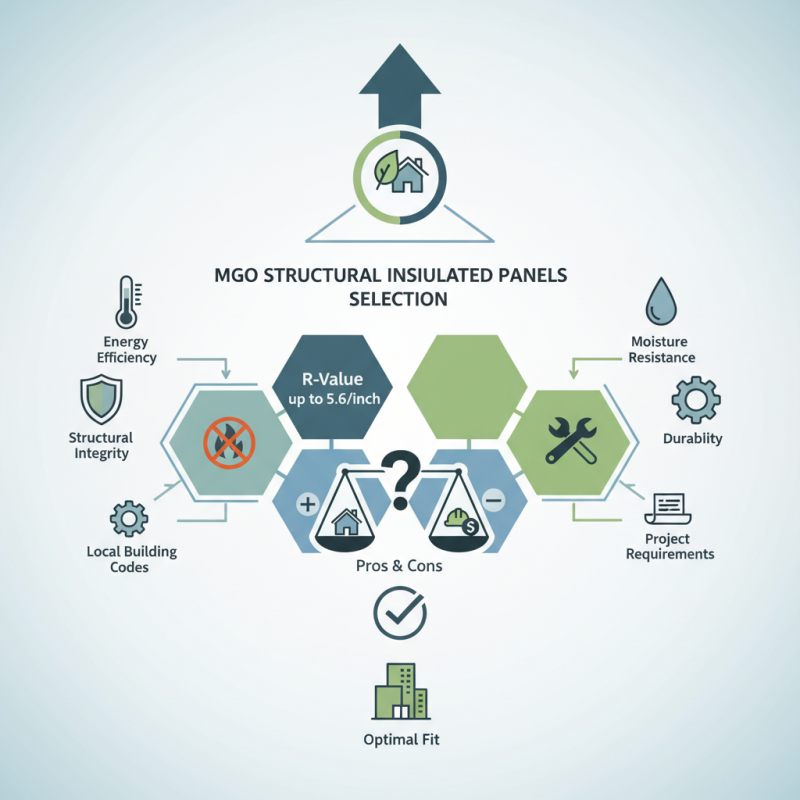
However, the selection process for MGO Structural Insulated Panels can be complex. Factors such as insulation value, structural integrity, and fire resistance must be considered. Research indicates that the insulation R-value of MGO SIPs can reach as high as 5.6 per inch. This shows significant potential for thermal performance, yet builders often overlook other key attributes like durability and moisture resistance.
While MGO panels offer many advantages, they come with challenges. Builders must ensure compliance with local building codes. Each project presents unique requirements, which can complicate material selection. An informed decision will lead to better performance and satisfaction. It's essential to weigh the pros and cons carefully to find the optimal fit for your specific needs.
Understanding MGO Structural Insulated Panels and Their Benefits
MGO structural insulated panels (SIPs) are gaining popularity in modern construction. These panels offer a unique blend of materials that optimize insulation and structural integrity. They consist of a magnesium oxide board, which provides fire resistance and durability. The inner core typically features foam insulation, ensuring energy efficiency. This combination leads to reduced energy costs over time.
One key benefit of MGO SIPs is their lightweight nature, making them easier to handle on-site. They can be fabricated off-site, streamlining the construction process. Additionally, these panels are resistant to moisture, mold, and pests, which enhances their longevity. However, it’s important to note that not every project may benefit equally from MGO panels. Some builders might find the initial investment higher compared to traditional materials.
Considering your project's specific needs is crucial. Think about your location, climate, and desired insulation levels. It might be necessary to conduct a detailed cost analysis to weigh the benefits against the costs. Engage with professionals who have experience with MGO systems for informed decision-making. Balancing sustainability with performance requires careful thought, but the potential advantages of MGO panels are worth exploring.
Key Factors to Consider When Selecting MGO Panels for Construction
When selecting MGO structural insulated panels for construction, a few key factors must be considered. The thickness of the panels is crucial. Thicker panels generally provide better insulation and durability. Evaluate the R-value as a measure of thermal resistance. A higher R-value indicates superior insulation performance. This consideration is vital for energy efficiency in buildings.
Another important factor is fire resistance. MGO panels are typically fire-rated, but specifications can vary. Check local building codes to ensure compliance. Understanding the acoustic properties of the panels is also essential. Some projects may require soundproofing. Using panels with better sound insulation properties can enhance the comfort of the space.
Lastly, consider the environmental impact. MGO panels are often made from non-toxic materials. However, sustainability practices in manufacturing can differ. Research the manufacturer's processes and choose responsibly sourced options. Reflecting on these factors ensures a well-informed decision, leading to a successful construction project.
Comparing MGO Panels with Other Insulated Panel Options
When comparing MGO (Magnesium Oxide) insulated panels to other options, several factors come into play. MGO panels often excel in fire resistance. They can withstand high temperatures, reducing the risk of fire-related damage in buildings. This feature makes them a preferred choice in many commercial and industrial applications. In contrast, some traditional panels may not offer the same level of protection, making MGO a safer bet.
Cost is another essential aspect. MGO panels can be slightly more expensive upfront. However, their durability often translates to long-term savings. Traditional insulation panels may wear out faster, requiring more frequent replacements. Longevity matters in project planning. You might need to weigh the immediate investment against future costs.
Sustainability is also crucial in today's construction landscape. MGO panels are often recognized for being environmentally friendly. They are composed of natural materials and have low environmental impact. However, some alternatives, while cheaper, may involve components that harm the environment. Always consider how your choices affect the planet. Ultimately, the decision should align with project goals, budget, and environmental consciousness.
Assessing the Quality and Durability of MGO Structural Panels
When evaluating the quality of MGO structural insulated panels, several factors emerge as essential. Durability is a primary concern for builders. MGO panels exhibit remarkable resistance to moisture and fire compared to traditional materials. Studies indicate that buildings using MGO panels can reduce fire risk by up to 30%. This significant reduction adds peace of mind regarding safety.
Additionally, the overall lifespan of MGO panels is noteworthy. The typical lifespan ranges between 40 to 70 years, depending on environmental conditions and installation quality. This extended durability can lower maintenance costs, a factor often overlooked by project managers. However, not all MGO panels are created equal. Some may lack essential certifications or fail to meet industry standards, raising concerns about their performance in real-world applications.
It is crucial to conduct a thorough evaluation of suppliers. Look for panels that provide transparency regarding their composition and testing results. Engaging with professionals who can assess quality is beneficial. Rely on independent testing data to make informed decisions. The right choice can make a substantial difference in your project’s success.
Best Practices for Installing MGO Structural Insulated Panels
Installing MGO Structural Insulated Panels (SIPs) requires careful attention to detail. These panels offer excellent insulation properties and structural strength. However, common mistakes can diminish their effectiveness. Ensuring a tight fit between panels is crucial. Gaps can lead to moisture infiltration, compromising insulation performance. Research from the Department of Energy shows that properly installed SIPs can improve energy efficiency by 50% compared to traditional construction methods.
When it comes to installation techniques, mitigating thermal bridging is essential. Use continuous insulation around the structure. This can further enhance the panels' R-value. A study by the Building Research Establishment highlights that thermal bridging can reduce insulation performance by up to 30%. Proper sealing of joints and edges is also vital. Consider using high-quality sealants and tapes designed for MGO panels to enhance durability and weather resistance.
Training the installation crew on best practices is often overlooked. Many teams assume familiarity with SIPs, which can lead to mistakes. Regular workshops can improve outcomes. Incorporating feedback loops during installation allows for on-the-spot corrections. Regular inspections can also prevent long-term issues. Quality workmanship is indispensable in maximizing the benefits of MGO SIPs. Remember, even minor oversights can lead to significant problems later on.
