What is a Classic Single Output UPS and Why Do You Need It?
In today's digital age, a reliable power supply is crucial for both homes and businesses. A Classic Single Output UPS (Uninterruptible Power Supply) serves as an essential safeguard against power interruptions. This device not only protects sensitive electrical devices but also maintains data integrity during outages. By providing continuous power, it ensures that operations remain smooth and efficient.
Many users underestimate the importance of a Classic Single Output UPS. This oversight can lead to significant losses during unexpected power failures. The UPS acts as a buffer, giving users crucial seconds to save their work or shut down equipment safely. Without it, the risk of data corruption or hardware damage increases dramatically.
While a Classic Single Output UPS is a reliable solution, it’s important to evaluate your specific power needs. Not all setups require the same capacity or features. Users must reflect on their power consumption and the critical devices they wish to protect. Understanding these factors will help in choosing the right UPS for effective, uninterrupted service.
Definition of Classic Single Output UPS
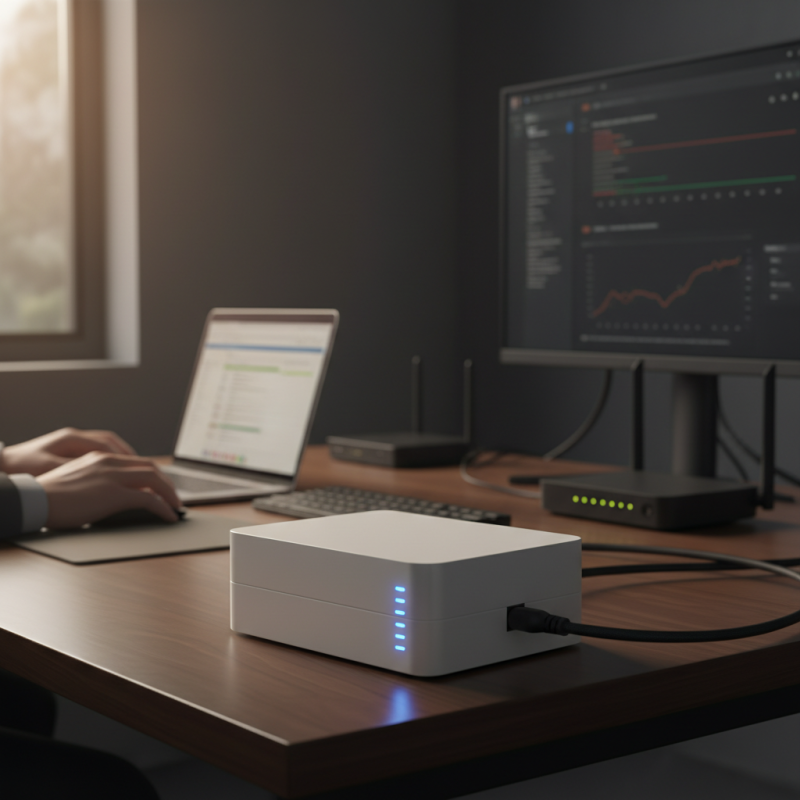
A Classic Single Output Uninterruptible Power Supply (UPS) is designed to provide backup power to essential devices. It ensures that equipment stays operational during power interruptions. This type of UPS typically utilizes a single output to deliver power, which can be a game-changer for critical applications.
Many users turn to a classic single output UPS for various reasons. Its simplicity makes it user-friendly and easy to set up. The device acts as a bridge, connecting your equipment to a battery backup during outages. This means devices can continue running without interruption, safeguarding important data. Additionally, it often includes surge protection, shielding sensitive electronics from voltage spikes.
However, it’s essential to consider its limitations. For instance, only one output means it can support a limited number of devices. Users might underestimate their power needs, resulting in reduced effectiveness. Regular maintenance checks can help keep it reliable, yet many overlook this crucial aspect, leading to unexpected failures when it’s needed the most. Identifying the right capacity and ensuring proper upkeep are vital steps in maximizing the benefits of a classic single output UPS.
Key Features of Classic Single Output UPS
A Classic Single Output UPS (Uninterruptible Power Supply) provides essential backup power for your electronics. Its primary function is to keep devices running during power outages. This equipment is crucial for computers, servers, and critical systems that require a steady power supply.
One of the key features of a Classic Single Output UPS is its ability to deliver consistent voltage and frequency. This feature protects devices from power surges and fluctuations. It often includes internal batteries that allow it to operate independently of the main power source. Additionally, many models offer short-circuit protection, ensuring safety during a malfunction. While these systems are reliable, they can have limitations. For instance, the battery life can diminish over time, requiring regular checks and replacements.
Another important aspect is the user interface. Many UPS devices come with LED indicators and alarms. These features alert users to power status and battery health. However, the complexity of some interfaces can be confusing. If not properly understood, users may overlook critical warnings. Regular maintenance and monitoring are key to ensuring optimal performance and longevity. By understanding these features, users can better assess their needs for power protection.
Common Applications for Classic Single Output UPS
A classic single output UPS is vital for many applications. It provides consistent power to devices, ensuring they remain operational during outages. Hospitals rely on this technology for life-saving equipment. Here, any power interruption can lead to critical failures, endangering patient lives.
Data centers are another common user of UPS systems. They support servers and network devices. Even brief outages can result in data loss or corruption. In this context, a classic single output UPS acts as a safeguard, delivering uninterrupted power. However, the challenge lies in selecting the right specifications. Not all devices require the same power capacity.
Manufacturing facilities also benefit greatly from UPS solutions. They depend on machinery that requires consistent power for production processes. Power fluctuations can disrupt operations, leading to costly downtime. While implementing a UPS seems straightforward, ongoing maintenance is necessary. Neglecting this can result in failure when it's needed most.
What is a Classic Single Output UPS and Why Do You Need It? - Common Applications for Classic Single Output UPS
| Application | Description | Importance | UPS Requirement (kVA) |
| Data Centers | Provide backup power to servers and networking equipment. | Critical for maintaining uptime and protecting data integrity. | 10-30 |
| Telecommunications | Ensure continuous operation of communication systems. | Essential for uninterrupted service and network reliability. | 5-15 |
| Industrial Automation | Power supply for control systems and machinery. | Prevents downtime and ensures operational consistency. | 15-50 |
| Healthcare Facilities | Support medical equipment and systems during outages. | Crucial for patient safety and medical data protection. | 10-25 |
| Retail Operations | Back up POS systems and critical inventory management systems. | Essential for sales continuity and customer satisfaction. | 5-20 |
Benefits of Using a Classic Single Output UPS
A Classic Single Output UPS (Uninterruptible Power Supply) serves as a vital component for modern electronic systems. This device provides immediate backup power during outages. It ensures that sensitive equipment remains operational, preventing data loss and hardware damage. In today's fast-paced world, reliability is crucial, and a UPS can make all the difference.
One primary benefit of a Classic Single Output UPS is its ability to safeguard your devices from power fluctuations. Sudden surges or drops can harm electronic components. A UPS smooths out these irregularities, offering a stable power supply. This can minimize downtime and expensive repairs.
Another significant advantage is the peace of mind it provides. Knowing that a power failure won't disrupt your work allows for a more focused approach. However, it's essential to consider the limitations as well. Regular maintenance is necessary to ensure the device operates effectively. Neglecting this can lead to unexpected failures when you need the UPS most. Being aware of these details can help you make informed decisions about power management.
Factors to Consider When Choosing a Classic Single Output UPS
When selecting a classic single output UPS, several key factors need consideration. First, assess the power capacity it offers. This capacity should align with your devices' power requirements. Calculating the total wattage of your equipment can help you choose adequately. A UPS that lacks sufficient capacity may fail during an outage, leaving your systems vulnerable.
Next, consider the runtime during a power failure. This runtime is crucial for critical operations. Determine how much time you need to safely shut down equipment or switch to backup power. A UPS with longer runtime can provide you with peace of mind. However, longer backup options might come with higher costs and complex setups.
Another important aspect is the features that the UPS offers. Look for models with battery management systems and surge protection features. These can greatly enhance reliability and prolong battery life. It’s also beneficial to think about the ease of installation. A complicated setup can lead to mistakes and frustration, especially in high-pressure situations. Thus, understanding your specific needs can simplify the decision-making process, ensuring that you select a reliable system tailored to your circumstances.
