Why Choose CNC Vertical Machining for Your Manufacturing Needs?
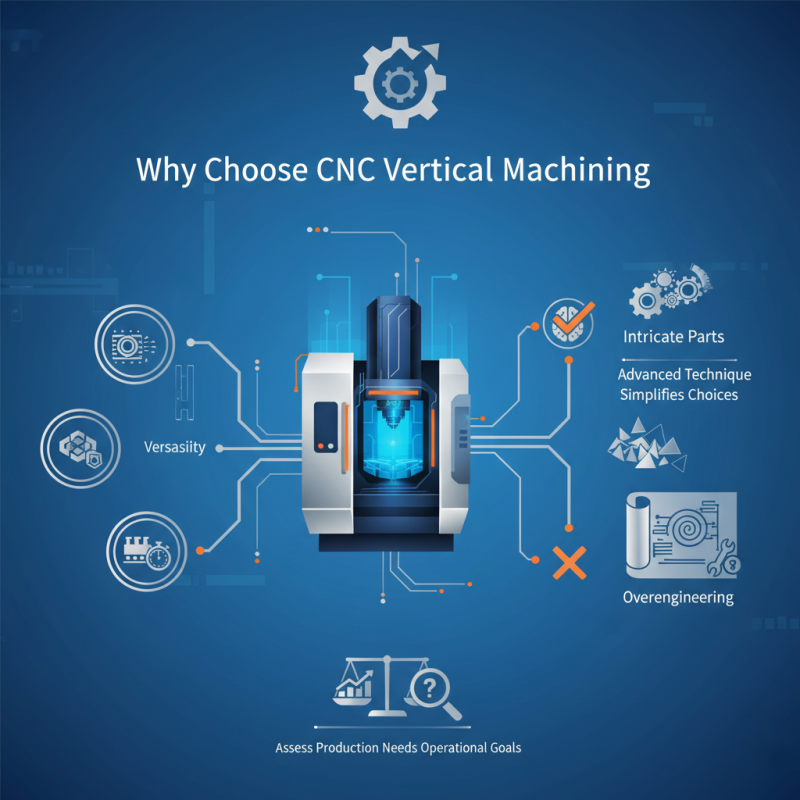
In today's competitive manufacturing landscape, choosing the right machining method is crucial. Cnc Vertical Machining stands out for its precision, versatility, and efficiency. This advanced technique excels in producing intricate parts and components. Manufacturers often face challenges when deciding which technology to adopt. CNC vertical machining can simplify those choices.
The technology utilizes computer-controlled tools to achieve high accuracy in cutting and shaping materials. Additionally, it allows for quick adjustments during the machining process. This adaptability is vital in meeting specific project requirements. However, not every operation may maximize the potential of CNC vertical machining. It’s essential to assess your production needs carefully.
Moreover, experienced machinists have observed varying results with this method. While it often reduces waste, it can also lead to overengineering in some situations. Therefore, reflecting on your operational goals and capabilities is necessary. CNC vertical machining offers numerous benefits, but discerning when to use it effectively is a skill worth developing.
Benefits of CNC Vertical Machining in Modern Manufacturing
CNC vertical machining has become a cornerstone for modern manufacturing. With its precision and efficiency, it offers significant advantages over traditional methods. A recent report from the National Association of Manufacturers highlights that manufacturers using CNC technology can achieve up to a 30% increase in productivity. In an industry where time is money, these improvements are crucial.
One of the standout benefits of CNC vertical machining is its versatility. It accommodates a broad range of materials, providing manufacturers the flexibility to take on diverse projects. According to the Machinery Institute, more than 50% of surveyed manufacturers reported increased design complexity as a key reason for adopting CNC. This technology allows for the production of intricate parts that meet the evolving demands of various sectors.
Tips: Always consider the complexity of your parts when selecting a machining method. It’s vital to match technology to project requirements. Furthermore, keep in mind that while CNC offers speed and accuracy, it also requires skilled operators. Continuous training is essential to maximize efficiency and adaptability in your workforce. Balancing automation and human oversight can lead to optimal results. Remember, sometimes a mix of techniques leads to better productivity.
Benefits of CNC Vertical Machining in Modern Manufacturing
Comparison of CNC Vertical Machining and Horizontal Machining
When comparing CNC vertical machining to horizontal machining, several key factors stand out. Vertical machining centers (VMCs) are versatile and often easier to set up. They are especially effective for smaller parts with intricate features. The vertical spindle allows for clear visibility of the workpiece, making it easier for operators to spot any issues during production.
On the other hand, horizontal machining centers (HMCs) excel with larger workpieces. They provide better chip removal due to gravity, which can enhance cycle times. Workers might find that horizontal machines need more space, which could be a drawback for smaller facilities. However, HMCs can accommodate multiple setups, which can be beneficial for bulk production.
It's essential to consider the specific manufacturing requirements when choosing between the two. Each type has its unique strengths and weaknesses. While VMCs are easier to operate, HMCs can handle complex jobs effectively. Ultimately, the decision should align with long-term production goals and the nature of the projects at hand. Balancing efficiency, cost, and capabilities is crucial in making the right choice.
Key Features of CNC Vertical Machining Machines
CNC vertical machining offers several key features that make it suitable for various manufacturing demands. One significant advantage is precision. The vertical design allows for enhanced visibility and access to the workpiece. This leads to more accurate machining operations. Operators can closely monitor cutting processes, reducing the risk of errors.
Another noteworthy feature is versatility. CNC vertical machines can handle a range of materials, from metals to plastics. Whether you're working with aluminum or hard steel, these machines adjust to different specifications. This adaptability makes them ideal for diverse production environments.
Moreover, programming and automation capabilities improve efficiency. Operators can set up complex operations with minimal manual intervention. However, programming errors can occur, requiring careful review. Addressing software issues is crucial to achieving optimal performance. Overall, CNC vertical machining continues to evolve, promising efficient solutions for manufacturers.
Common Applications of CNC Vertical Machining in Various Industries
CNC vertical machining is increasingly popular across different industries. This manufacturing method offers precision and flexibility. It's especially useful in sectors like aerospace, automotive, and medical device manufacturing. Reports indicate that the CNC machining market is projected to grow by 6.4% annually through 2025. This trend highlights the method's significance.
In aerospace, CNC vertical machining is used for producing complex components. The ability to create intricate designs is critical for safety and performance. In the automotive sector, parts like engine blocks and transmission housings are often manufactured using this approach. A survey showed that 70% of manufacturers prefer CNC vertical machining for its efficiency and accuracy.
Tips: Always consider the material you are working with. Different materials may require specific tooling strategies. Pay attention to maintenance; regular checks can prevent costly downtime. Integration of advanced software can optimize machining processes. This allows for better quality control and faster turnaround times. It’s essential to reflect on your needs and choose the right applications carefully.
Why Choose CNC Vertical Machining for Your Manufacturing Needs? - Common Applications of CNC Vertical Machining in Various Industries
| Industry | Common Applications | Benefits of CNC Vertical Machining |
| Aerospace | Machining complex components like turbine blades and flight control surfaces. | High precision and repeatability, essential for safety-critical applications. |
| Automotive | Production of engine parts, chassis components, and brackets. | Improved efficiency and reduced waste through automation. |
| Medical | Creating surgical tools and implants with complex geometries. | High accuracy required for medical devices to ensure patient safety. |
| Electronics | Manufacturing components like housings and circuit boards. | Capability to produce intricate designs with tight tolerances. |
| Consumer Goods | Fabricating parts for appliances, furniture, and tools. | Flexibility in production for customized designs. |
Factors to Consider When Choosing CNC Vertical Machining Services
When selecting CNC vertical machining services, several factors must be evaluated. The precision of machining is critical. CNC vertical machines offer high accuracy, which is vital for intricate components. This precision reduces waste and enhances product quality. Consider your design complexity; some machining centers excel with certain geometries. A service with diverse capabilities is essential.
Another aspect is the experience and expertise of the provider. A long-track record can indicate reliability. Look for a service with a skilled workforce. They should understand material properties and machining techniques. Their advice may improve your designs. It’s beneficial to have ongoing communication for adjustments during the process.
Cost is always a consideration. While you want quality, the price must fit your budget. Cheaper options might tempt you but often lack quality assurance. Evaluate their past work and customer feedback. Steer clear of services lacking transparency about their processes or pricing. Trust is essential in any manufacturing partnership.
