Essential Lift Rental Tips for Your Next Project?
When planning your next project, lift rental can play a vital role. Choosing the right lift is essential for safety and efficiency. From construction sites to maintenance tasks, lifts make reaching heights simpler. However, many overlook key considerations.
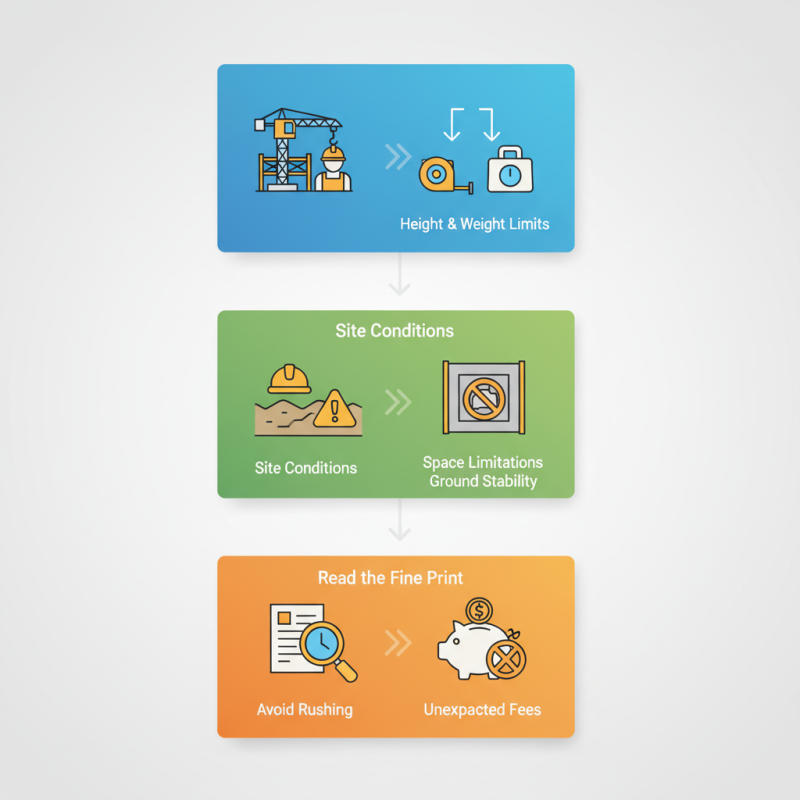
Understanding your project's needs is crucial. The required height and weight limits must guide your lift rental decision. Many people forget to evaluate site conditions too. Ground stability and space limitations can affect lift performance. Neglecting these details may lead to delays or accidents.
It's easy to get caught in the excitement of a project. Yet, rushing through lift rental choices can prove costly. Each lift rental agreement has varying terms and conditions. Always read the fine print. Knowing this information can save you from unexpected fees or issues later on.
Understanding Different Types of Lifts Available for Rent
When considering lift rentals, it's crucial to understand the different types available. Aerial lifts, for example, are ideal for tasks that require elevation. They come in various forms, such as boom lifts and scissor lifts. Each has distinct features suited for specific projects. Boom lifts can extend to hard-to-reach areas, making them perfect for outdoor jobs. However, they may require more setup time and space.
On the other hand, scissor lifts are known for stability. They provide a sturdy work platform for multiple workers. These lifts are great for indoor work or tasks that need a level surface. Remember, the choice depends on your site conditions and project needs. Evaluating the terrain is essential because uneven ground can affect lift safety and performance.
Don't forget about weight capacity. Each lift has limitations, and exceeding them can lead to accidents. It's often overlooked but critical. Always check operational instructions before starting. Inexperienced users may misuse the equipment, leading to inefficiencies. Be prepared to ask for help if needed. Understanding the types and associated risks helps ensure your project runs smoothly.
Essential Lift Rental Tips for Your Next Project
| Lift Type |
Maximum Height (ft) |
Weight Capacity (lbs) |
Ideal Usage |
Rental Cost per Day ($) |
| Scissor Lift |
30 |
1000 |
Indoor Work, Maintenance |
200 |
| Boom Lift |
40 |
500 |
Outdoor Work, Construction |
320 |
| Telehandler |
55 |
8000 |
Material Handling |
450 |
| Articulating Lift |
60 |
600 |
Maintenance, Tree Trimming |
370 |
| Vertical Mast Lift |
20 |
500 |
Tight Spaces, Indoor |
150 |
Factors to Consider Before Renting a Lift for Your Project
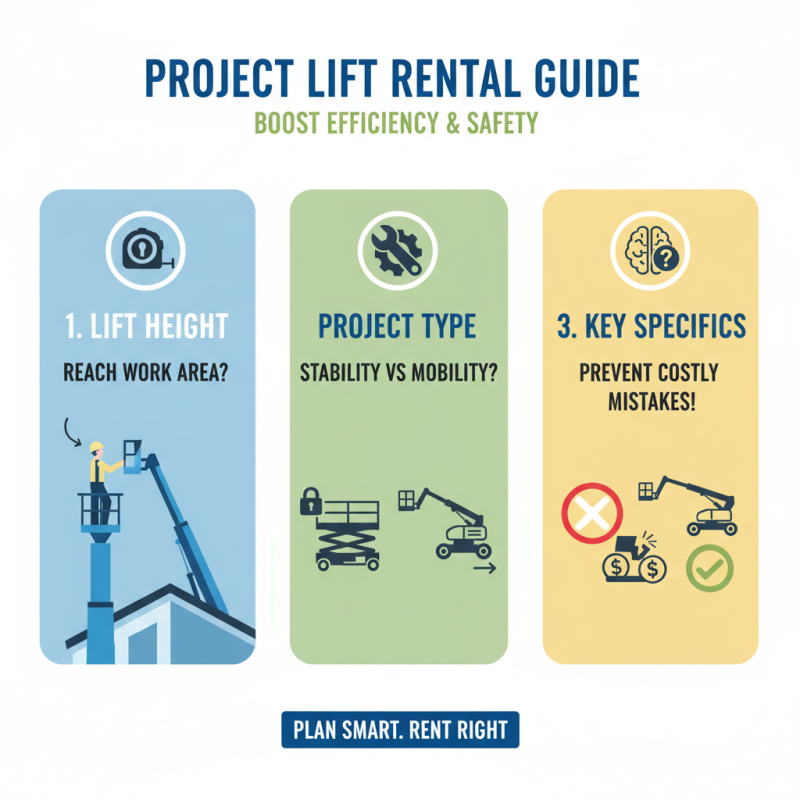
When planning your next project, renting a lift can enhance efficiency and safety. However, several factors warrant careful consideration. First, assess the lift height you need. Will it reach your work area? Consider the type of project, too. Some tasks demand stability, while others require mobility. Knowing these specifics can prevent costly mistakes later.
Another critical aspect is the location. Is the ground even? Will obstacles hinder access? Inspecting the site beforehand helps in choosing the right lift. Additionally, factor in the lift’s weight capacity. Ensure it can handle all materials and personnel comfortably. Overloading can lead to accidents.
Lastly, consider rental duration. A short-term project may need a different lift than a long-term endeavor. Rental costs can escalate quickly if you're not mindful. Reflect on your options; sometimes, a simple solution may prove more effective. Also, remember to check if training is required to operate the lift safely. Being prepared can save time and prevent accidents on-site.
How to Choose the Right Lift Size and Capacity for Your Needs
Choosing the right lift size and capacity is crucial for your project’s success. A simple mistake can lead to delays and increased costs. Consider the height you need to reach. For smaller tasks, a compact lift may suffice. However, larger projects will require higher capacity lifts.
Load capacity is another vital factor. Think about the weight of tools and materials you'll be using. Underestimating weight can lead to unsafe situations. Calculate the total load, including personnel. Don’t forget safety margins; they are essential.
Also, evaluate space constraints. Some lifts need more room to operate, especially in tighter environments. If you're working indoors, height and width play a big role. Check access points, like doors and hallways, leaving room for the lift's movement. Improper planning here can lead to major hiccups. It’s easy to overlook these details, but they can significantly impact your project’s progress.
Tips for Properly Operating and Maintaining a Rental Lift
Operating and maintaining a rental lift requires attention to detail and adherence to safety protocols. For instance, a report from the American National Standards Institute highlights that improper use of lifts contributes to numerous workplace injuries each year. In fact, about 30% of construction site accidents involve lift operations. Ensuring operators are trained can reduce these incidents significantly.
Before starting tasks, inspect the rental lift thoroughly. Check for any visible damages. Make sure all safety features are functional. A study by the Occupational Safety and Health Administration found that regular maintenance can cut down equipment malfunctions by 25%. It's wise to keep a maintenance log to track repairs and usage as well.
While working, maintain a clear communication system among your team members. In high-pressure environments, this can be overlooked. A lack of communication may lead to accidents, especially at height. Additionally, remember to follow weight limits outlined in the lift's manual. Ignoring these limits can compromise both safety and equipment integrity. Reflecting on past projects can help identify areas for improvement.
Budgeting for Lift Rental Costs and Associated Expenses
Budgeting for lift rental costs is crucial for any project. In 2022, the average daily rental cost for a boom lift fluctuated between $200 to $900, depending on size and capacity. Understanding these costs can help prevent budget overruns. Many projects overlook additional expenses like delivery, fuel, and insurance. Failing to consider these can lead to significant financial strain.
When planning your lift rental, consider the project timeline. Rental rates may drop if you commit to longer periods. However, delays can inflate costs unexpectedly. Maintenance fees and potential damage penalties are also critical. According to industry statistics, about 15% of rental expenses arise from damages not covered by insurance. Tracking all these factors ensures a more accurate budget.
Knowing these nuances can save you money. You might find yourself in the red due to hidden fees. A detailed budget plan can avoid this. Engage with your team to estimate all potential expenses. Reviewing past projects can provide insights, even if they reveal flaws in your previous estimates. Planning and reflection can pave the path to a smoother lift rental experience.