
When selecting materials for construction projects, the choice of insulation is crucial. Fire-Resistant Black Rock Wool stands out as an excellent option. Its unique properties provide exceptional thermal and acoustic insulation. This material is made from natural basalt rock, offering strength and durability.
Many opt for traditional insulation types without considering safety. However, Fire-Resistant Black Rock Wool protects against fire hazards. It can withstand high temperatures, giving builders peace of mind. The lightweight nature of this material makes it easy to handle and install.
Still, the decision to use Fire-Resistant Black Rock Wool shouldn't be taken lightly. It is essential to weigh the cost, applications, and specific project requirements. This insulation material excels in various climates, making it versatile. Ultimately, prudent choices in insulation can lead to safer, more efficient buildings.
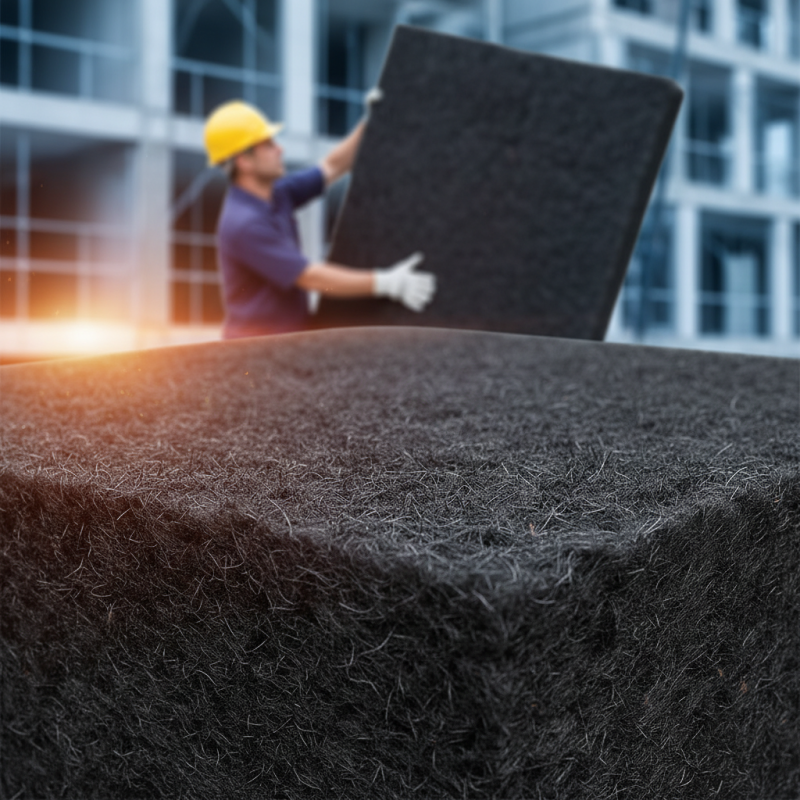
Fire-resistant black rock wool is an innovative material making waves in construction. Its ability to withstand extreme temperatures is a key feature. This insulation can endure heat without melting or emitting harmful gases. Such qualities are vital for enhancing safety standards in modern buildings.
Using rock wool ensures superior sound insulation. It dampens noise from external sources, improving the comfort of living spaces. Additionally, it's composed of natural materials, promoting eco-friendliness. Builders value this balance between sustainability and safety. However, some may question its cost compared to traditional insulation. This warrants reflection on budget constraints versus long-term benefits.
Maintenance is minimal, yet it’s important to monitor for moisture. While rock wool resists water damage, leaks can still affect its performance. Regular checks are essential to maintain its effectiveness. Emphasizing these practical aspects can help in making informed choices for construction projects.
Rock wool insulation stands out for its fire-resistant properties. According to industry reports, it can withstand temperatures up to 1,800°F. This level of resistance makes it ideal for buildings where fire safety is a priority. In contrast, traditional fiberglass insulation can only endure temperatures around 1,000°F. Hence, rock wool provides a safer option for both residential and commercial applications.
When looking at soundproofing capabilities, rock wool is quite effective. Studies indicate it can reduce sound transmission by up to 45 dB. This is significantly higher than fiberglass, which ranges from 25 dB to 30 dB. For projects requiring noise control, rock wool is often the better choice. Its density and structure contribute to this performance. However, its weight can present challenges during installation, requiring careful handling.
Moisture resistance is another key point. Rock wool repels water and maintains thermal efficiency. Fiberglass, on the other hand, can absorb moisture, leading to potential issues like mold growth. However, some might find rock wool harder to work with during installation due to its rigidity. These factors highlight the practicality and limitations of each material, requiring careful consideration based on specific project needs.
Fire-resistant black rock wool is increasingly favored in various industries for its robust properties. This material offers exceptional insulation and soundproofing, making it ideal for construction and industrial applications. According to a report by the International Building Code, rock wool can withstand temperatures up to 1,000 degrees Celsius without melting. This feature is essential for buildings in fire-prone areas.
In the automotive sector, fire-resistant black rock wool is utilized to enhance safety. Its ability to absorb sound and manage heat makes it valuable for engine compartments and exhaust systems. The National Fire Protection Association emphasizes that fire-resistant materials like rock wool reduce the spread of flames and contribute to safer passenger vehicles. However, challenges remain in ensuring consistency in quality across different manufacturing processes.
The energy sector also benefits from fire-resistant black rock wool. It plays a pivotal role in insulation for pipelines and storage tanks. The U.S. Department of Energy noted that using high-performance insulation can diminish energy losses by up to 30%. This efficiency is critical for optimizing operational costs in industrial plants. Yet, not all applications fully exploit the advantages of rock wool. Concerns about environmental impacts and waste in production processes highlight the need for ongoing research and development in the field.
Black rock wool is increasingly recognized for its environmental benefits. This sustainable material is made from volcanic rock, which is abundant and naturally occurring. The production process requires less energy compared to traditional insulation methods, contributing to a lower carbon footprint. According to the International Energy Agency, using rock wool can reduce energy consumption in buildings by up to 30%. This not only saves costs but also benefits the planet.
Recycling is essential to sustainability. Black rock wool is recyclable at the end of its life cycle. Studies show that about 95% of mineral wool insulation can be reused to create new products. This high recycling rate helps divert waste from landfills. Research from the European Mineral Wool Producers Association indicates that mineral wool insulation can lower greenhouse gas emissions by up to 60% compared to conventional materials.
However, not all production methods are equal. Some manufacturing processes still produce emissions. It's crucial for consumers to verify the sustainability claims of their suppliers. Efforts to improve production efficiency continue, but transparency in the industry remains a challenge. As awareness grows, demand for more sustainable practices increases. This will drive innovation and bring about enhanced sustainability in the future.
Fire-resistant black rock wool insulation is gaining attention due to its superior thermal and acoustic properties. Proper installation techniques play a vital role in maximizing these benefits. First, ensuring that rock wool is cut accurately is crucial. Incorrect sizing can lead to gaps, compromising energy efficiency. According to the U.S. Department of Energy, gaps can increase heat loss by up to 30%, stressing the importance of precision during installation.
Another key technique involves the correct spacing of insulation pieces. Maintaining proper intervals prevents thermal bridging, where heat flows through structural elements. The North American Insulation Manufacturers Association suggests that optimal positioning can enhance the heat resistance and overall performance of rock wool insulation. Additionally, using a vapor barrier in moisture-prone areas is recommended. A well-installed vapor barrier can extend the lifespan of the insulation and improve indoor air quality.
Installing rock wool requires attention to detail and adherence to guidelines. Misalignments or improper sealing can negate the fire-resistant qualities of the material. Regular inspection after installation is beneficial. It can identify potential issues before they escalate, emphasizing that installation is as critical as the material itself. This proactive approach can improve not only safety but also longevity.