What is a Metallurgical Bridge Crane and Its Uses?
The Metallurgical Bridge Crane plays a crucial role in steel and metal industries. These cranes are designed to handle heavy loads efficiently. They can lift materials such as steel slabs, coils, and molten metal. According to a recent industry report, the global market for bridge cranes is projected to grow at a CAGR of 5.4% from 2023 to 2028. This growth reflects an increasing demand for advanced lifting solutions.
Metallurgical Bridge Cranes are specially designed for high-temperature environments. They withstand extreme heat and heavy weights. However, operators must be cautious. Improper handling can lead to accidents or equipment damage. The need for precise control is vital in metallurgical settings. Safety standards in this field must be rigorously followed to prevent risks.
With evolving technology, these cranes are becoming more sophisticated. Automation and smart features are now integrated into designs. Yet, there is still room for improvement. Regular maintenance and operator training are critical for optimal performance. The challenge remains to balance innovation with safety and efficiency. Hence, understanding the Metallurgical Bridge Crane’s capabilities is essential for any operation in this sector.
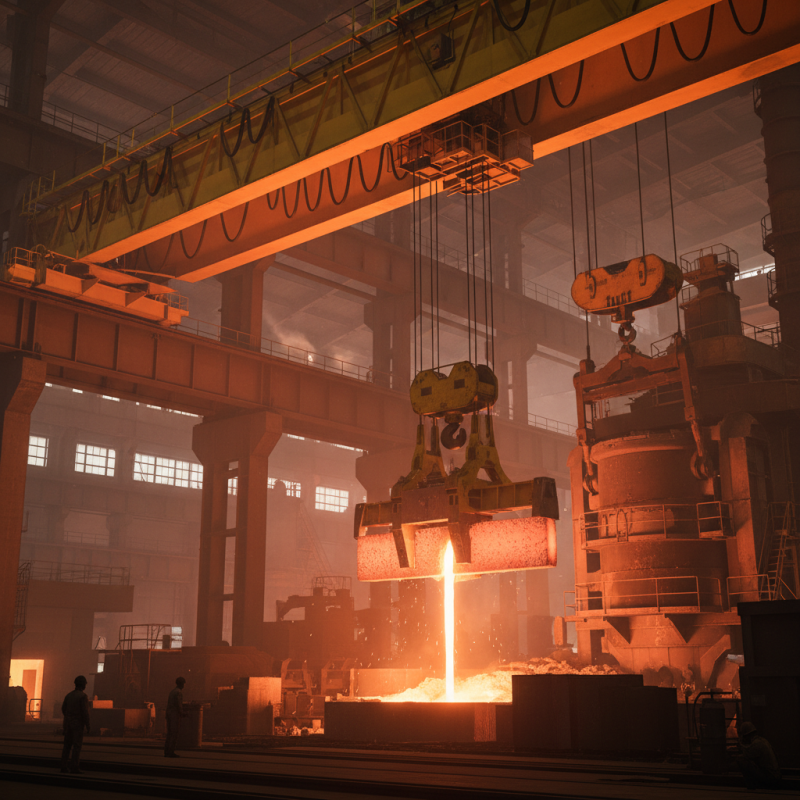
Definition of a Metallurgical Bridge Crane and Its Components
A metallurgical bridge crane is a vital piece of equipment in metal processing industries. It is designed to lift and transport heavy loads, especially molten metal. The structure consists of several key components, including the bridge, hoist, and trolley. The bridge spans the width of the workspace, while the hoist lifts items vertically. The trolley moves along the bridge, allowing for precise positioning.
The bridge itself is typically steel, providing durability and strength. It must support significant weight without bending or breaking. The hoist can be electric or manual, depending on the required capacity. Safety features, such as limit switches and brakes, are essential to prevent accidents. Regular inspections and maintenance are critical.
Tips: Ensure the area around the crane is clear. This minimizes risks during operation. Always check load limits before lifting. Understanding the equipment well can reduce errors. Remember, even the best operators make mistakes. Regular training is key to improving safety and efficiency.
Key Features of Metallurgical Bridge Cranes in Industrial Settings
Metallurgical bridge cranes play a crucial role in heavy industrial sectors. These cranes are designed specifically for lifting and transporting molten metal and heavy materials. They typically feature robust construction to withstand extreme weights and temperatures. With high load capacities, they are essential in foundries and steel mills. Their operation requires skilled personnel due to the inherent dangers of handling hot metals.
Key features include their ability to operate in harsh environments. These cranes often come with specialized safety measures. Limit switches and load sensors enhance operational safety. Moreover, their designs allow for smooth movement across vast distances. However, maintenance poses challenges. Routine checks are vital to ensure reliability. Neglecting maintenance can lead to accidents or equipment failure.
Additionally, operator training is critical. Inexperienced users can misjudge the crane's capabilities, causing hazardous situations. Although manufacturers provide instructions, hands-on experience is invaluable. Each operational flaw can teach valuable lessons. Users must reflect on their practices to improve safety and efficiency. With ongoing improvements, metallurgical bridge cranes will continue to evolve, adapting to the industry's changing demands.
Common Applications of Metallurgical Bridge Cranes in Metal Production
Metallurgical bridge cranes are essential in the metal production industry. They play a crucial role in handling heavy loads. These cranes are designed to operate in harsh environments. High temperatures and molten metal are common challenges they face. Operators must be skilled to ensure safety and efficiency.
In steel manufacturing, these cranes are used to lift and move liquid metal. They transport materials from the furnace to the casting area. Accurate positioning is vital to prevent spills. Additionally, they are employed in foundries for moving molds and products. Their strength allows them to manage hefty components with ease.
While metallurgical bridge cranes are beneficial, there are areas for improvement. Regular maintenance is crucial to avoid breakdowns. Operators sometimes struggle with load monitoring. Enhancing training programs can help minimize risks. Addressing these challenges will improve overall safety and efficiency in metal production facilities.
Safety Considerations and Maintenance for Metallurgical Bridge Cranes
Safety is paramount when using metallurgical bridge cranes. Operators need training to understand their equipment fully. Familiarity with load limits is crucial. Overloading can lead to accidents or equipment failure. Workers must always wear proper protective gear. Safety harnesses and helmets are a must around moving parts.
Regular maintenance checks are essential. Inspect the cables and pulleys for wear and tear. Listen for unusual sounds during operation; they can indicate a problem. When maintenance is neglected, the risks increase. Scheduled downtime for inspections can prevent accidents. Data logs should be kept to track maintenance and any issues encountered.
Environmental factors also affect crane safety. Extreme temperatures can weaken materials. Operators need to be aware of changing weather conditions. Communication among the team is vital. Everyone should know their roles during operations. Even small mistakes can lead to serious consequences.
Metallurgical Bridge Crane Usage Statistics
Future Trends in Metallurgical Bridge Crane Technology and Innovation
The metallurgical bridge crane plays a crucial role in heavy industries, particularly in metal production. Future trends indicate a shift towards smarter and more efficient crane technologies. According to a recent industry report, the metallurgical crane market is expected to grow at a CAGR of 5.3% by 2028. This growth is driven by advancements in automation and artificial intelligence.
Innovations such as real-time monitoring systems are becoming more commonplace. These systems can predict maintenance needs and reduce downtime. Yet, many companies still rely on outdated equipment. This raises concerns about safety and efficiency. The challenge is balancing investment in new technology with existing infrastructure limitations.
Moreover, sustainability is becoming a priority in crane design. The focus is shifting towards energy-efficient operations. Some newer models can reclaim energy during deceleration. However, not all manufacturers are adopting these sustainable practices. Users must question how their choices impact the environment. The future of metallurgical bridge cranes hinges on embracing these changes while addressing existing shortcomings.
