Top Nonwoven Machine Trends for Global Buyers Today?
The nonwoven fabric industry is undergoing significant transformation driven by technological advancements. According to a report by Smithers Pira, the global nonwoven fabric market is projected to reach $45 billion by 2025. This growth is largely fueled by rising demand in sectors such as personal hygiene, healthcare, and geotextiles. Nonwoven Machines play a crucial role in enhancing efficiency and quality in fabric production.
Moreover, innovative machinery is emerging to meet the evolving needs of buyers. Advanced nonwoven machines are now equipped with automated features. These features enhance production speed and reduce waste, addressing cost concerns. However, not all innovations work seamlessly; buyers often face challenges in implementing these new technologies.
As buyers navigate this dynamic landscape, understanding the latest trends in nonwoven machines is essential. Decisions based on thorough research can significantly impact operational success. The need for reliable and efficient equipment should not be underestimated. Investing in the right nonwoven machines can lead to substantial benefits for manufacturers.
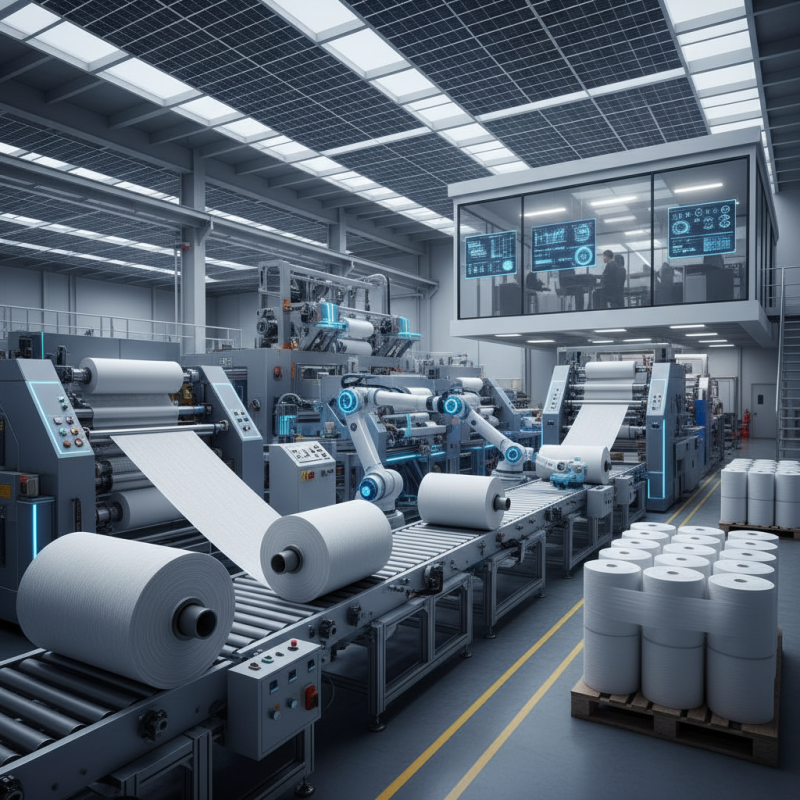
Overview of Nonwoven Machinery in the Global Market
The global nonwoven machinery market is witnessing significant transformation. According to the latest industry reports, it is projected to reach USD 17.4 billion by 2026, growing at a CAGR of 6.2%. This growth is driven by the demand for sustainable solutions and innovative materials. Buyers are increasingly interested in machines that optimize production efficiency while reducing waste.
One notable trend is the shift towards automation. Advanced technologies, including AI and IoT, are becoming integral in nonwoven production. These innovations enhance operational efficiency and reduce human error. Data suggests that automated systems can cut production costs by up to 25%. However, integrating such technologies comes with challenges. Companies may struggle to adapt their workforce to new systems, leading to potential oversights in training and maintenance.
Sustainability remains a critical focus. Manufacturers are exploring biobased materials and recyclable options to align with environmental standards. Reports indicate that 60% of global buyers prioritize eco-friendly machines in their purchasing decisions. Despite this, there is reluctance to fully transition due to upfront costs and production adjustments. As the market evolves, addressing these hesitations will be vital for gaining a competitive edge in nonwoven machinery.
Emerging Technologies Shaping Nonwoven Machine Trends Today
Emerging technologies are driving significant changes in the nonwoven machine industry. Automation is at the forefront of these advancements. Automated systems enhance production efficiency and reduce human error. This shift allows manufacturers to respond quickly to market demands. High-speed machines are now common, achieving exceptional output rates. These machines also maintain high-quality standards.
Another trend is the use of sustainable materials. Many manufacturers are exploring biodegradable and recyclable options. This push responds to consumer demand for eco-friendly products. The integration of smart technology is also noteworthy. Sensors and data analytics provide real-time insights into machine performance. This data helps in optimizing operations and minimizing waste. However, the implementation of these technologies can pose challenges, such as the need for skilled labor and significant upfront investment.
Additionally, customization is becoming essential in machine design. Buyers seek machines that adapt to specific needs. Flexibility in production lines can create unique products. Yet, not all manufacturers can easily pivot to this model. This need for adaptation requires a balance between innovation and cost-effectiveness. Each of these trends brings an opportunity and a challenge, reflecting the evolving landscape of the nonwoven machine industry.
Sustainable Solutions: Eco-Friendly Innovations in Nonwoven Machinery
Sustainability has become a pivotal focus in the nonwoven machinery industry. Buyers now seek eco-friendly innovations that reduce waste and conserve energy. Advanced technologies are emerging to meet these demands. For example, machines that use biodegradable materials are gaining traction. These innovations help manufacturers align with global sustainability goals.
The transition to sustainable nonwoven solutions is not without challenges. Many facilities still rely on traditional processes that produce significant waste. Adopting new technologies may require upfront investment. However, the long-term benefits often outweigh these initial costs. The industry must balance economic viability with ecological responsibility.
Continued research and development are essential for creating sustainable practices. Collaboration among manufacturers, engineers, and environmental experts is crucial. This cooperative approach can foster innovative solutions. Ultimately, embracing eco-friendly machinery presents an opportunity to lead the market. Buyers who prioritize these changes can help shape a greener future for the nonwoven sector.
Investment and Demand Trends Among Global Nonwoven Machine Buyers
The global nonwoven machine market is witnessing a transformative phase driven by shifting investment preferences and rising demand. As per a recent report from Smithers Pira, the nonwovens market is projected to grow from $19.2 billion in 2021 to over $28.4 billion by 2027. This surge signals a robust investment climate as buyers focus on innovative technologies and sustainability.
A key trend emerging among buyers is the increased demand for eco-friendly machinery. According to TechNavio, 57% of nonwoven producers are prioritizing sustainability in their purchasing decisions. This shift highlights a critical opportunity for manufacturers to adopt greener processes. However, many companies struggle to balance cost-effectiveness with the implementation of sustainable practices.
Further insights reveal that automation is becoming a priority in manufacturing processes. Buyers are inclined towards machines that integrate advanced technologies such as AI and IoT. This trend aims to enhance production efficiency and reduce operational costs. Yet, the transition to high-tech equipment often presents training challenges for existing staff. As buyers explore these advanced solutions, navigating this complexity will be vital for long-term success.
Top Nonwoven Machine Trends for Global Buyers Today
| Region | Investment Growth (%) | Key Demand Drivers | Market Segment | Forecast (Years) |
| North America | 5.3% | Healthcare, Hygiene Products | Disposable Nonwovens | 2023-2028 |
| Europe | 4.8% | Automotive, Construction | Geotextiles | 2023-2027 |
| Asia-Pacific | 7.2% | Consumer Goods, Personal Care | Biomedical Nonwovens | 2023-2029 |
| Latin America | 5.0% | Agriculture, Filtration | Filter Media | 2023-2026 |
| Middle East & Africa | 6.1% | Construction, Textiles | Specialty Nonwovens | 2023-2028 |
Challenges and Opportunities in the Nonwoven Machine Industry
The global nonwoven machine industry faces distinct challenges and opportunities. Rising demand for eco-friendly products drives innovation. According to a recent market report, the nonwoven market is expected to reach $50 billion by 2027, highlighting a substantial growth potential. However, the industry grapples with substantial production costs, limiting accessibility for smaller manufacturers.
Moreover, the shift towards automation presents both hurdles and prospects. Streamlined processes can significantly improve efficiency. Yet, transitioning to automated machines requires substantial investment. Reports indicate that at least 25% of manufacturers struggle with this transition, often due to outdated infrastructure. Companies must address workforce skill gaps to fully exploit these advancements.
Sustainability remains a crucial theme. There is an increasing pressure to utilize recycled materials in production. Many manufacturers report difficulties sourcing these materials while maintaining quality. Balancing sustainability with profitability is not simple. Challenges persist, demanding creative solutions and strategic partnerships within the industry.
Top Nonwoven Machine Trends for Global Buyers
