What is a Pickleball Sports Court and How to Build One?
Pickleball is one of the fastest-growing sports in the United States. According to the Sports & Fitness Industry Association, participation has increased by nearly 21% in recent years. This trend showcases the heightened interest in pickleball sports courts, which are essential for fostering this community. Building a pickleball sports court can be an enriching project for anyone who enjoys this engaging sport. It requires careful planning and knowledge of court dimensions, surface materials, and local regulations.
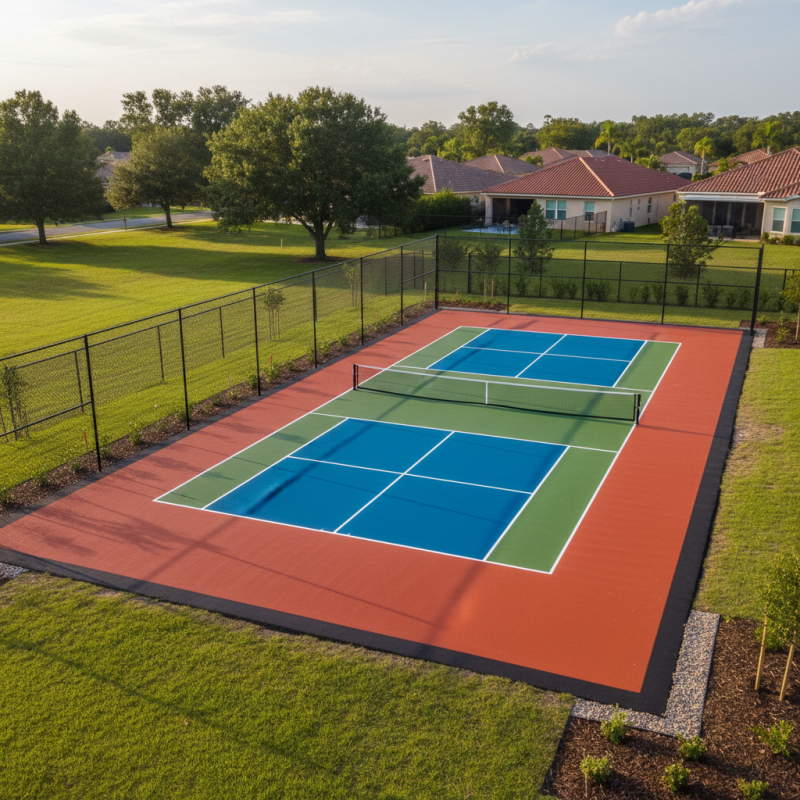
A properly constructed pickleball sports court enhances the playing experience and safety. The standard dimensions are 20 feet wide and 44 feet long for doubles play. Quality materials contribute to durability and comfort. However, many beginners may overlook critical factors, such as site selection and drainage. These details can significantly impact usage and maintenance. A well-built court serves not only as a venue for competitive play but also as a community hub, promoting health and well-being.
The investment in a pickleball sports court reflects a growing societal trend towards active lifestyles. However, many enthusiasts may face challenges when embarking on this project. It's essential to research thoroughly and collaborate with experienced professionals. Choosing the right location and materials can transform a simple idea into a vibrant sports destination.
What is Pickleball and Why is it Gaining Popularity?
Pickleball is quickly becoming a favorite sport for many. It blends elements from tennis, badminton, and table tennis, making it easy to learn and fun to play. The game is accessible to all ages and skill levels, which helps foster community and social interaction. You can often spot groups of players laughing and cheering, creating an enjoyable atmosphere.
This sport is gaining traction due to its simplicity and health benefits. Playing pickleball can improve cardiovascular health, enhance coordination, and boost physical fitness. The court is smaller than a tennis court, promoting quicker rallies and more active play. This makes it appealing for those who want a fast-paced experience without the strain of longer matches.
However, challenges can arise for beginners. Mastering the rules and techniques may take time. Players often experience frustration initially but gradually build their skills. The learning curve can be steep for some, but the joy of improvement keeps players coming back. Pickleball offers a unique blend of competition and camaraderie, ensuring its lasting popularity.
What is a Pickleball Sports Court and How to Build One?
| Aspect | Description |
| Court Dimensions | 20 feet wide by 44 feet long for doubles; 20 feet wide by 22 feet long for singles. |
| Surface Material | Typically concrete or asphalt with a smooth finish; some use specialized sports flooring. |
| Net Height | 34 inches at the center, 36 inches at the ends. |
| Court Lines | Lines are 2 inches wide; includes baseline, sidelines, centerline, service areas. |
| Recommended Space | A minimum of 30 feet long by 15 feet wide recommended around the court for safety. |
| Cost | Estimated cost for building a court ranges from $15,000 to $50,000 depending on materials and location. |
| Popularity Factors | Easy to learn, social interaction, good for all ages, health benefits. |
Essential Dimensions and Specifications for a Pickleball Court
Building a pickleball court requires careful attention to dimensions and specifications. The ideal size for a standard court is 20 feet wide and 44 feet long. This provides enough space for players to move. Court markings are crucial. The non-volley zone, often called the kitchen, extends 7 feet from the net on both sides. This area limits players while allowing strategic play.
Surface choice is also important for playability. A smooth, level surface can enhance the experience. Concrete, asphalt, or specialized sports tiles are common materials. Ensure the surface is free from cracks or debris. Surrounding the court, a minimum buffer of 10 feet on all sides is recommended. This prevents players from colliding with nearby structures or spectators.
While building your court, you might encounter challenges. Uneven ground can complicate construction. Budgeting for quality materials is essential but might exceed initial estimates. Reflect on your design choices. Would additional features, like lighting or fencing, improve the court? Consider these factors carefully. Prioritize functionality while staying within your means.
Materials and Surface Options for Building a Pickleball Court
Building a pickleball court is an exciting project. Selecting the right materials is crucial. You want a surface that is durable and offers good traction. Concrete is a popular choice. It's sturdy and long-lasting. Asphalt is another option, but it might wear down faster. Consider using a specialized outdoor surface if you want better performance.
When picking a surface, think about the type of games you'll host. A textured surface can improve grip. For additional comfort, some people use a cushioned layer. This reduces impact and stress on joints. Lastly, color matters. Bright colors can enhance visibility. However, they may fade over time, requiring maintenance.
Building a court comes with challenges. You may encounter drainage issues. Proper grading is vital to avoid standing water. Not every DIY enthusiast realizes this. Preparing the ground correctly can be time-consuming. Also, ensure you have the right dimensions for a standard court. Mistakes can lead to frustration during play. A well-planned surface will invite players back for more.
Step-by-Step Guide to Constructing Your Own Pickleball Court
Building your own pickleball court can be a rewarding project. Start by selecting a suitable flat area, ideally measuring 20 by 44 feet. The surface can be concrete, asphalt, or even a well-maintained lawn. Make sure it is level and clear of debris. Installing a secure fence around the court can help keep balls from straying, providing a safe play environment.
Next, marking the court lines is essential. Use bright, durable paint to outline the playing area. The correct dimensions include a non-volley zone, service boxes, and center lines. Take time to measure accurately. That said, mistakes can happen. Double-check all measurements before painting. The playing surface should also be treated to ensure good traction. Choosing the right materials will affect gameplay and maintenance, so consider local weather conditions.
Lastly, invest in quality net posts and a net. Ensure the net is set to the appropriate height of 36 inches at the ends and 34 inches in the middle. Regular maintenance is key to keeping the court in playable condition. Look for cracks or wear in the surface and repair them promptly. Reflect on your construction skills and learn from any challenges that arise. A well-built court not only provides a place to play but enhances your community's sporting spirit.
Maintenance Tips for Keeping Your Pickleball Court in Optimal Condition
Maintaining a pickleball court requires consistent effort. Regular sweeping is essential to remove leaves and debris. This prevents slips and allows for better gameplay. Regularly inspect the surface for cracks or damage. Addressing these issues promptly can save significant repair costs later.
Additionally, consider the net system. It should not sag or show wear. Replacing the net every few years ensures the game remains enjoyable. Don’t forget about court lines; they should be clear and visible. Fresh paint keeps the court looking professional.
Seasonal maintenance is also important. In colder climates, moisture can damage the surface. Cover the court during winter months if possible. Check for mold and mildew, especially in humid areas. These problems can impact performance and safety. Regular inspections can help catch these issues early. Finding the right balance between usability and maintenance is key to a long-lasting pickleball court.
Pickleball Court Maintenance Schedule
